
The Ghost Bomb Six {No.4}
PENNSYLVANIA ... 2020 Early Spring Deaths, Astronomical Investment Gains in 2021 & Unexpected Mortality After the Vaccine Rollout



Now that we are bombing Iran as of this morning, I am not sure how important this piece is going to be for anyone. But I do not know how much longer any of us will be able to make posts like this. It seems like the puppet-masters are going all in right now .. and I worry that pretty soon we are not going to be able to tell the difference between shared knowledge and a personalized digital cage.
With that cheery thought, let’s get back to where I left off at the end of my last post,“Been Her”.
.
But first, for any new readers, I will do a little refresher of this project:
In this recent post I laid out the parts of a little puzzle I am working on.
In the spring of 2020 there were some places in this country that saw very unseasonal increased mortality.
In the following year (fiscal year 2021) many of these same places had huge windfalls in their public employee pension plans due to historic investment gains.
These investment gains were happening simultaneously with additional increased member mortality into 2021 and beyond.
A look back at the solvency of these same pension plans in 2019 shows that many of these locations that had the strange 2020 spring death surge were in pretty bad financial shape right before the pandemic hit.
.
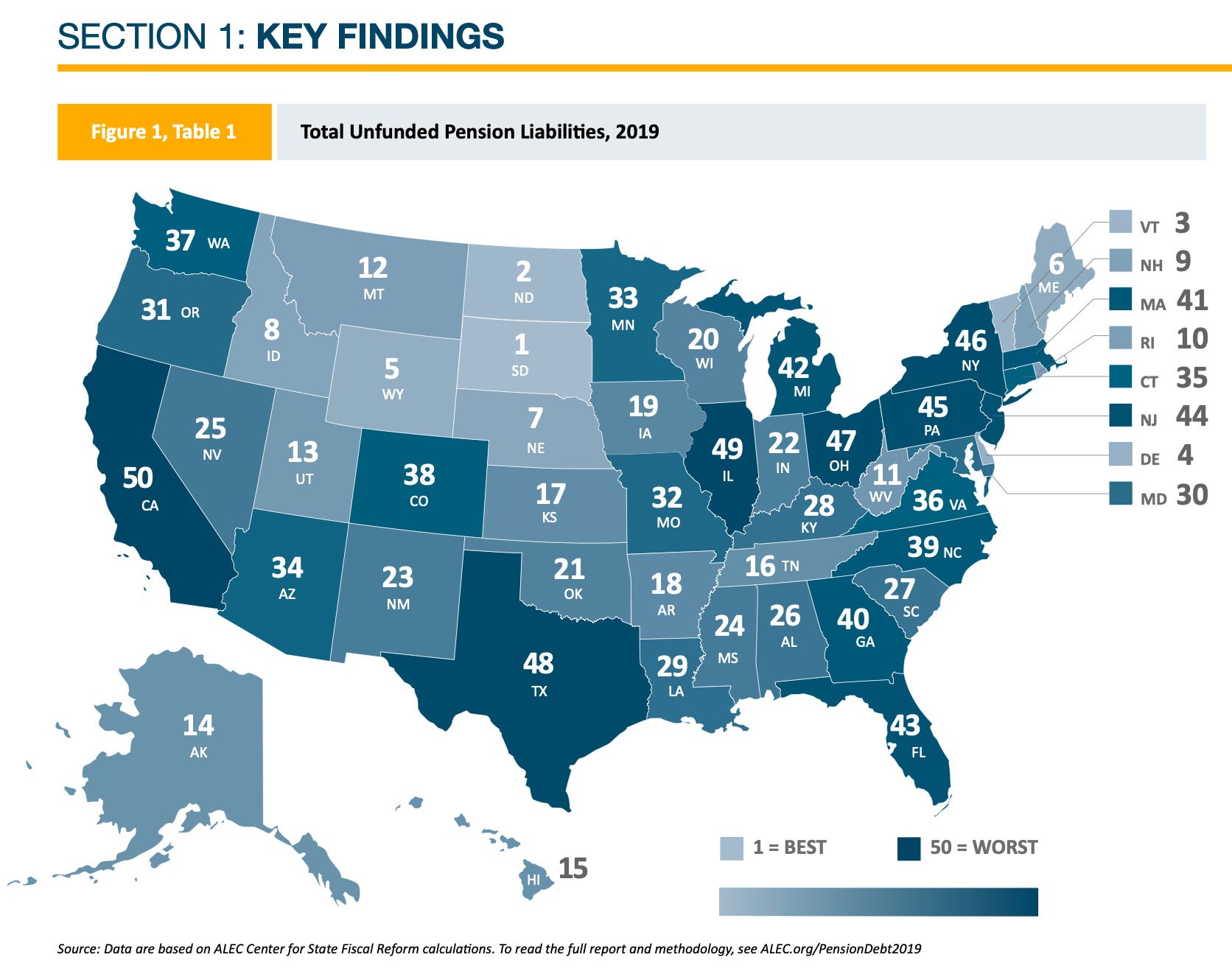
Previously I pointed out that in those 14 US state locations that saw this big spring mortality spike, there were six that also showed up in the bottom ten of the worst pensions of 2019.
Since I have dubbed that April/May death surge the “Ghost Bomb,” these places are now the Ghost Bomb Six.
They are (links provided to the ones we have previously looked at):
Massachusetts … The Ghost Bomb Six {No.1}
Pension System Rank: 41
Michigan … The Ghost Bomb Six {No.2}
Pension System Rank: 42
New Jersey … The Ghost Bomb Six {No.3}
Pension System Rank: 44
Pennsylvania
Pension System Rank: 45
New York …
Pension System Rank: 46
Illinois
Pension System Rank: 49
.
The pensions are ranked with 1=best, and 50=worst.
.
.
.
So we were talking about Dr. Rachel Levine …
.
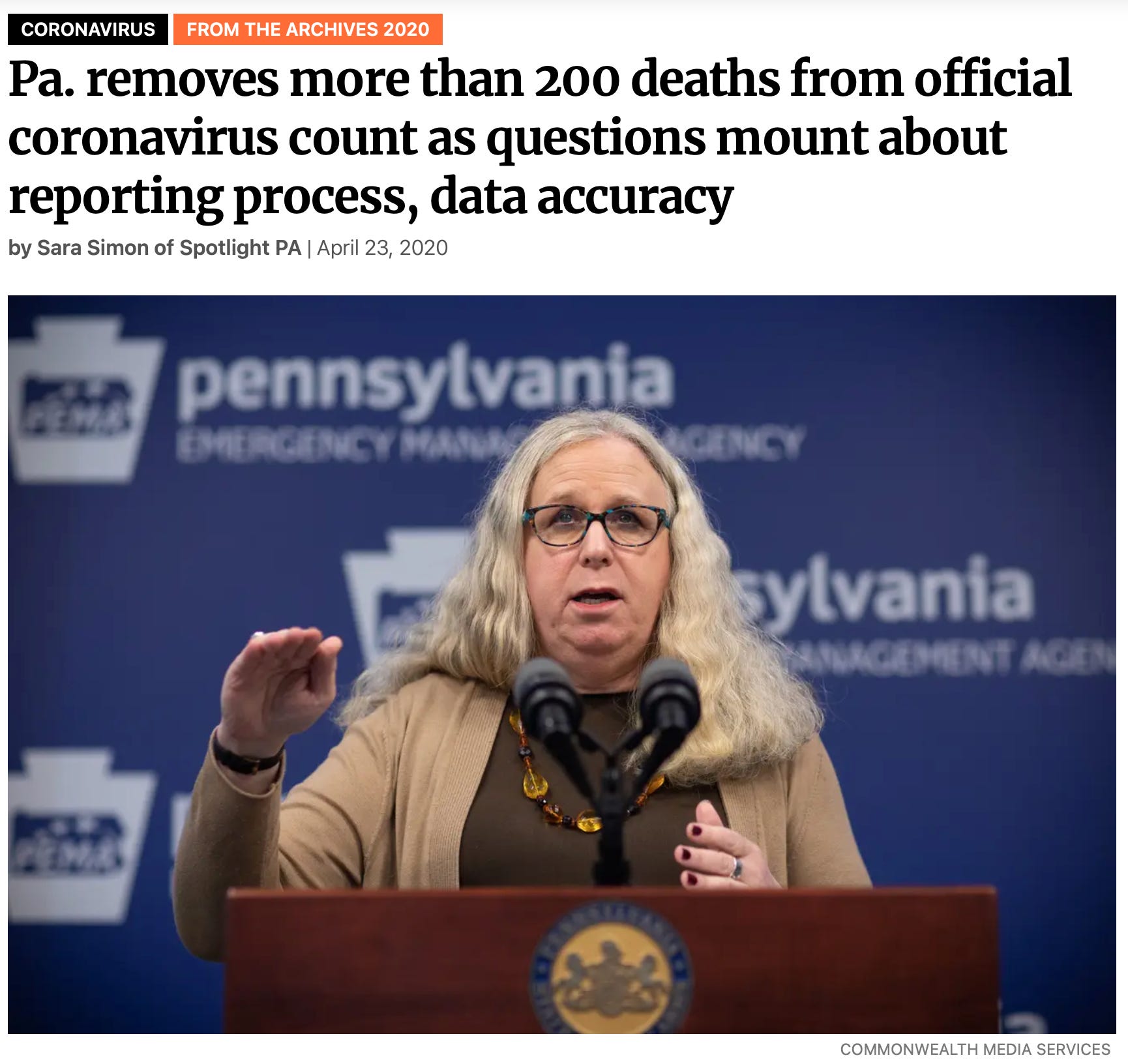
April 23, 2020
HARRISBURG — Twice in the last week, Pennsylvania’s official COVID-19 death count spiked.
Then, on Thursday, the number plummeted.
Officials from the state Department of Health provided several justifications for the fluctuations, citing technical issues, lengthy investigations, and the addition of “probable” deaths — those considered to be caused by the coronavirus but without confirmation from a test.
But facing mounting questions about the accuracy of the count, officials on Thursday removed more than 200 probable deaths from the tally, further complicating the state’s accounting of the pandemic. Health Secretary Rachel Levine said the change was made in an effort to be transparent.
“We realize that this category can be confusing, since it does change over time,” Levine said.
“At times, there are things we need to review, and potentially revisit the way the data is being analyzed,” she said. “And this is one of those times.”
.
Hmmm, if you read my last post, then you may recall this quote from the Physician General of Pennsylvania:
… “We are not discussing the number of cases that we are monitoring,” Levine said. “We are following all of the CDC guidelines, but we are not going to cover specific numbers now. If there is a case of COVID-19, we will inform the public …”
.
Well that laissez-faire attitude towards the Pennsylvania pandemic numbers may not have served Rachel well in the long run. In fact, it kind of landed her in some hot water.
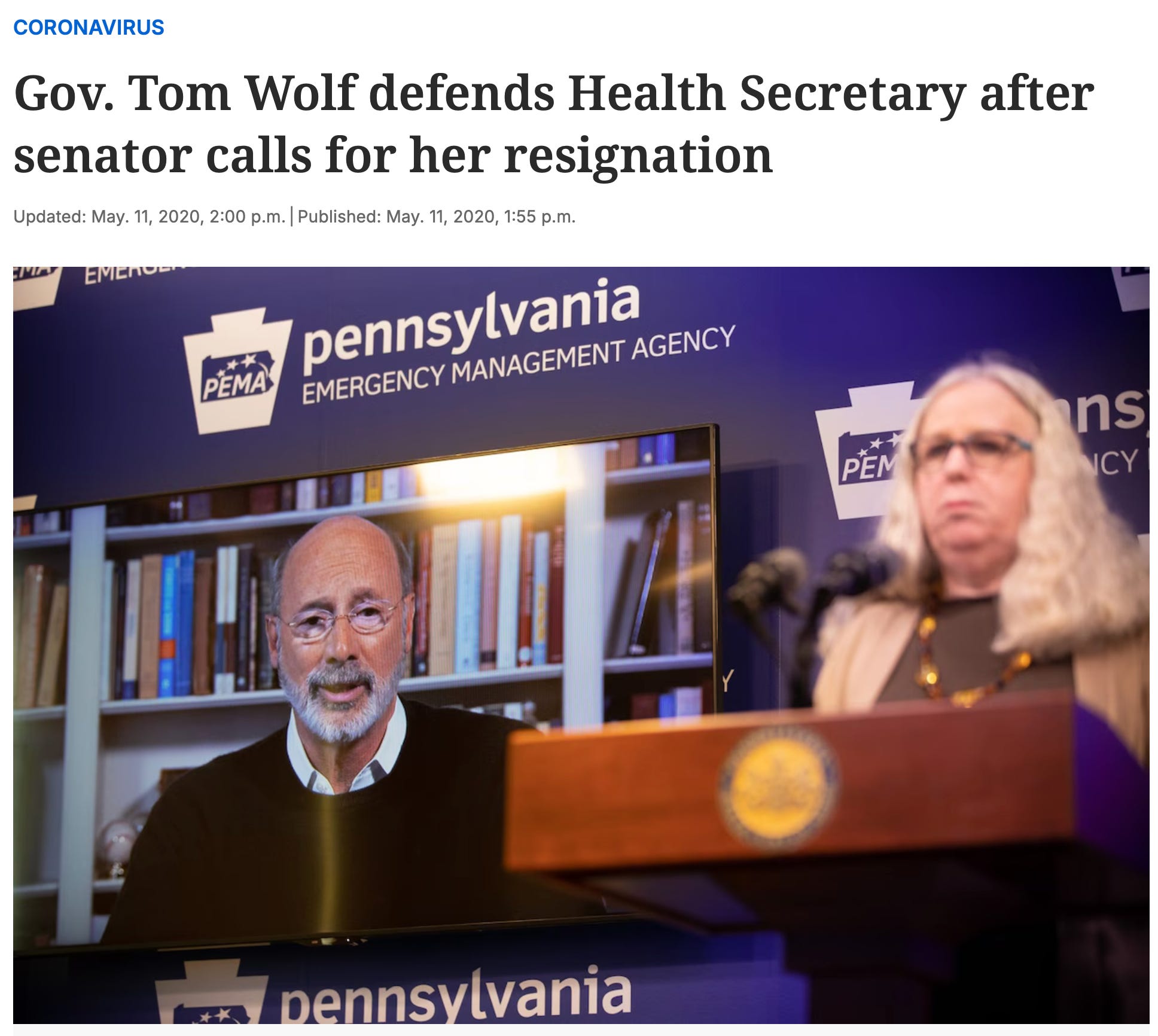
May 11, 2020
“… Those criticisms came to head at the state Capitol Monday morning, when state Sen. Doug Mastriano, R-Franklin County, held a press conference on the Third Street steps in which he called for Levine’s dismissal based on what he charged was her mishandling of the pandemic’s impact on nursing homes.
As in many American states, nursing homes have seen the majority of COVID-19 related deaths.
Mastriano said Monday he believed that in Pennsylvania, that was directly related to Levine’s policy of requiring nursing home patients that had been transferred to hospitals for coronavirus treatment to be returned to their original facilities after hospital treatment was no longer needed.
The Health Department said it followed that course as part of its overall strategy to preserve bed capacity in hospitals in the case of a surge of new cases, but Mastriano said Monday he believed Levine’s policy only exacerbated the situation in many of the state’s long-term care facilities, leading to unnecessary deaths …”
.
And here we are.
The common argument that one hears in regard to these Ghost Bombs is that they were not really “covid” per se, but actually cases of iatrogenic deaths, mainly in nursing homes and hospitals.
Is this a slam dunk on that concept here in Pennsylvania? I don’t know. But it is interesting that almost immediately a Pennsylvania state politician was calling it out.
.
But remember, Rachel came out of that hullaballoo okay …
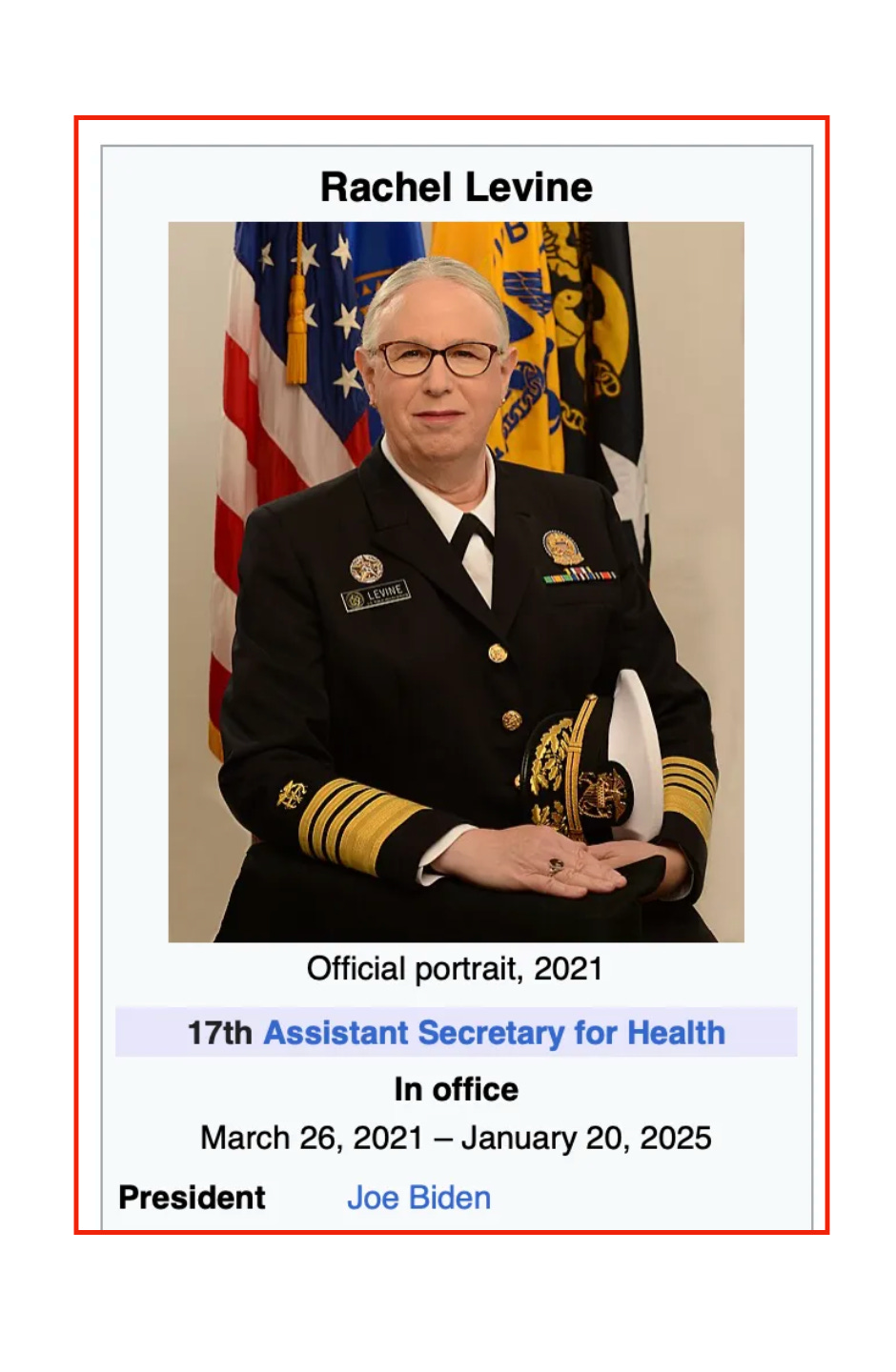
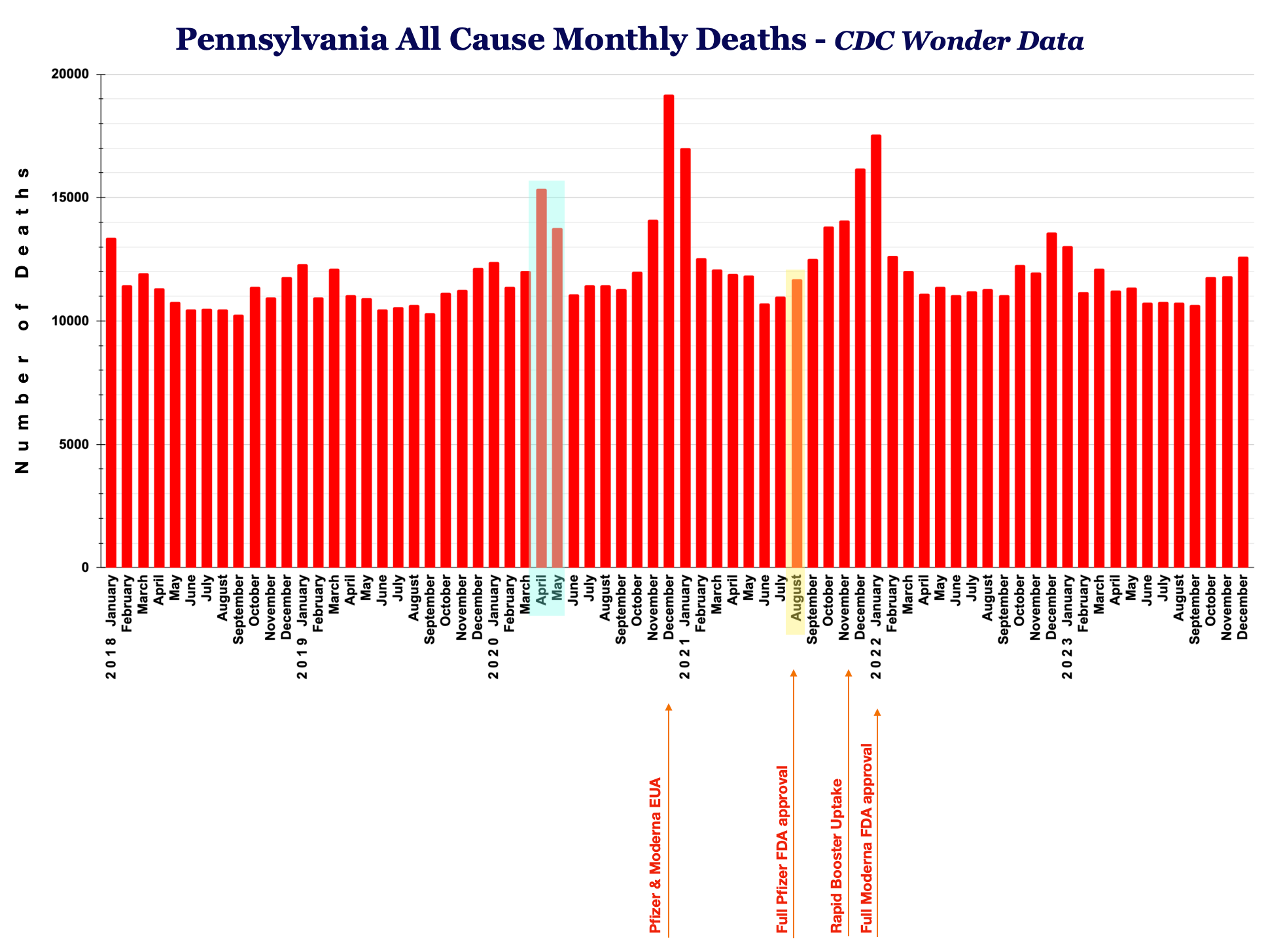
*That was a nice promotion there Rachel! … even though you could not stop this from happening in Pennsylvania (Ghost Bomb in blue):

Now what about the investment gains for the pensions?
.
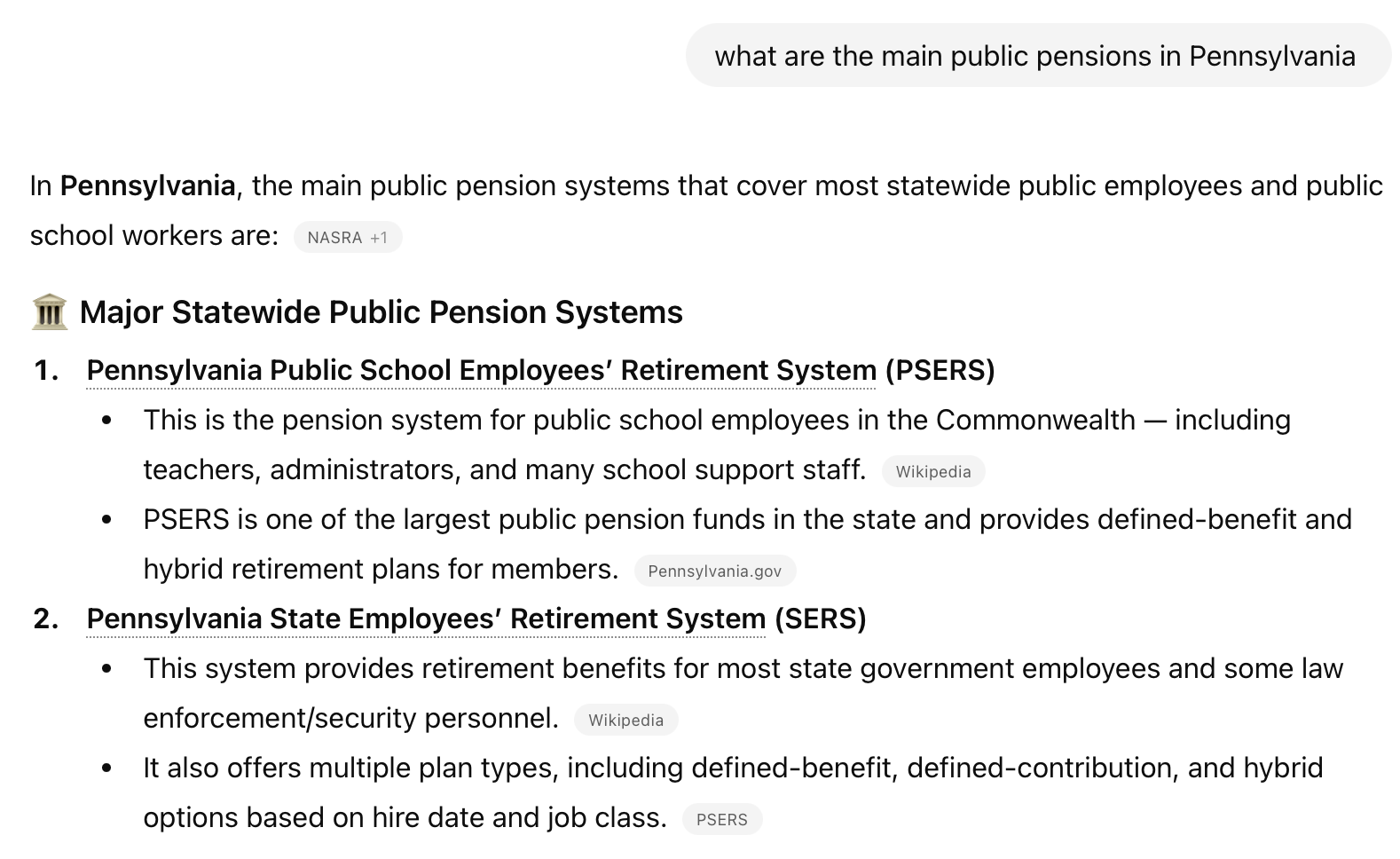
So according to my good friend ChatGPT, we would need to look at two main pension systems in Pennsylvania:
Public School Employees’ Retirement System (PSERS)
State Employees’ Retirement System (SERS)
.
PSERS is by far the larger of the two, so let’s start there.
.
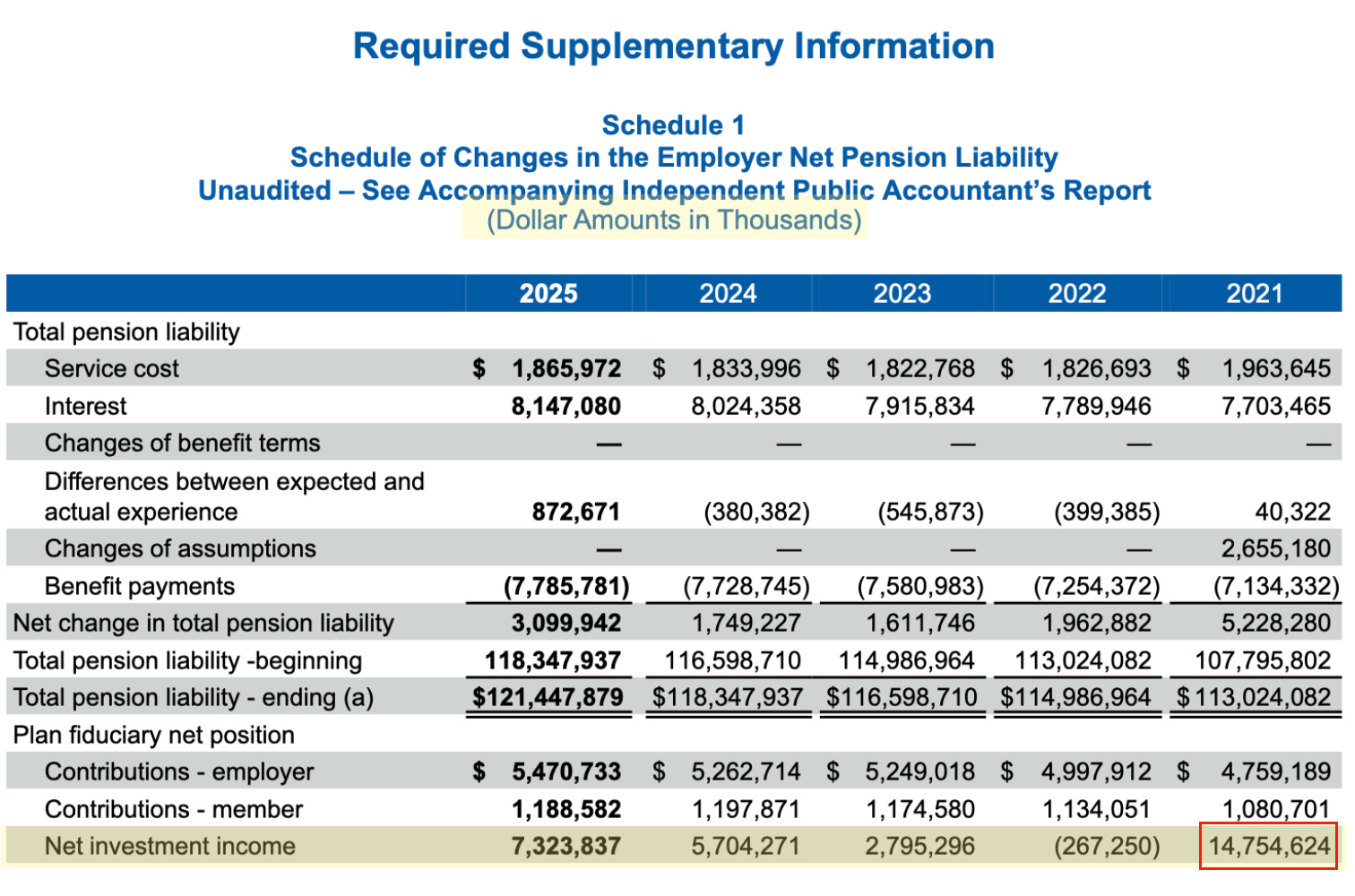
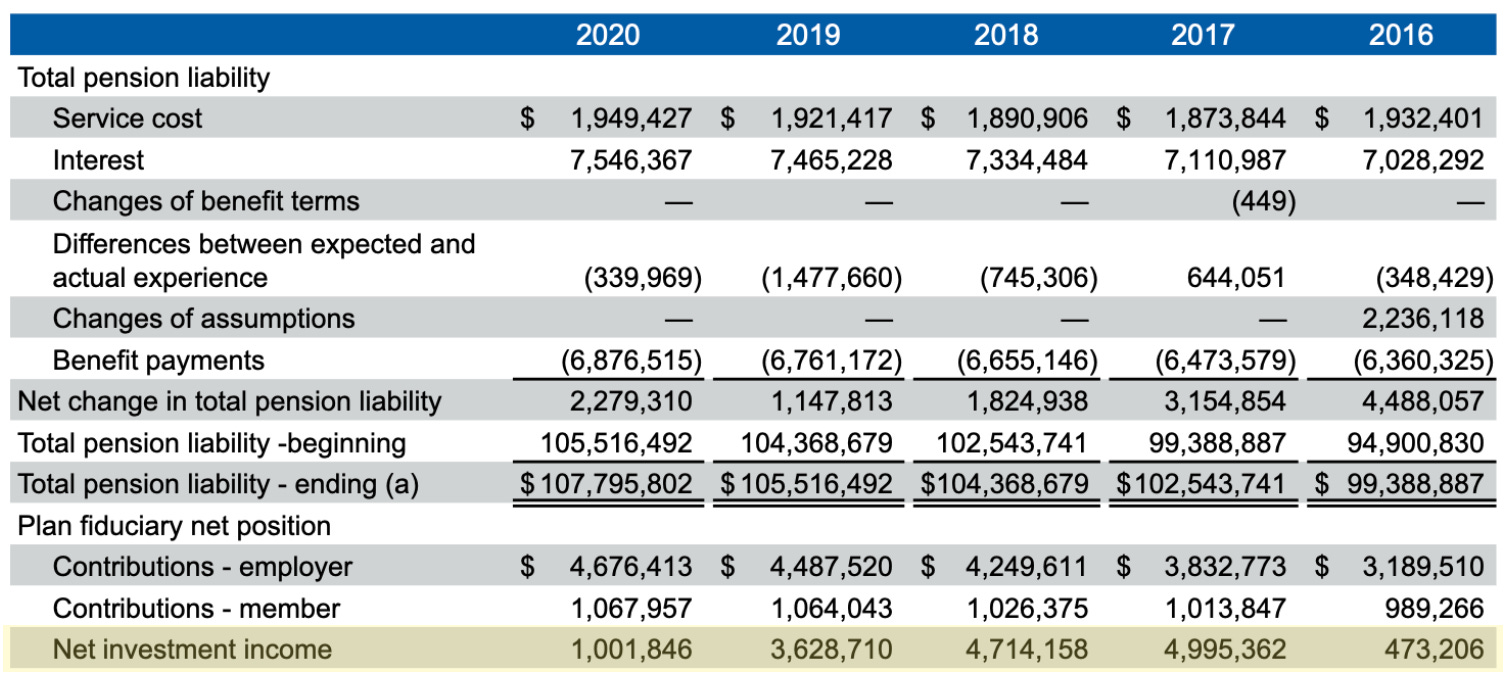
for Fiscal Year Ended June 30, 2025
pages 76 & 77 (Required Supplementary Information)
.
PSERS did pretty good there. Looks like about a 13.75 billion dollar swing from 2020 to 2021!
.
.
.
How about SERS?
.
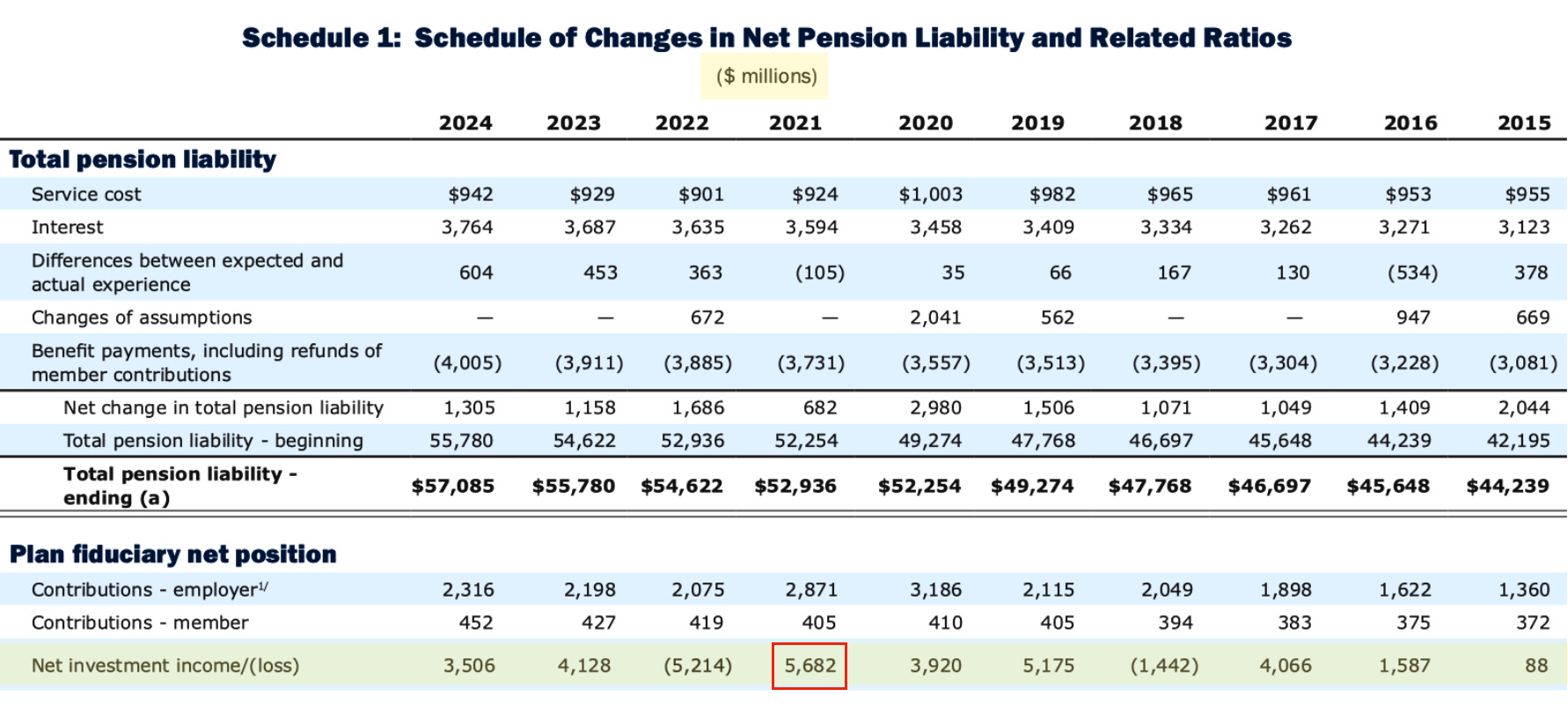
for Fiscal Year Ended December 31, 2024
page 40 (Schedule 1)
.
I know that table is pretty tiny, but SERS did not do quite as well. Looks like less than a 2 billion dollar swing from 2020 to 2021. Better than a loss.
.
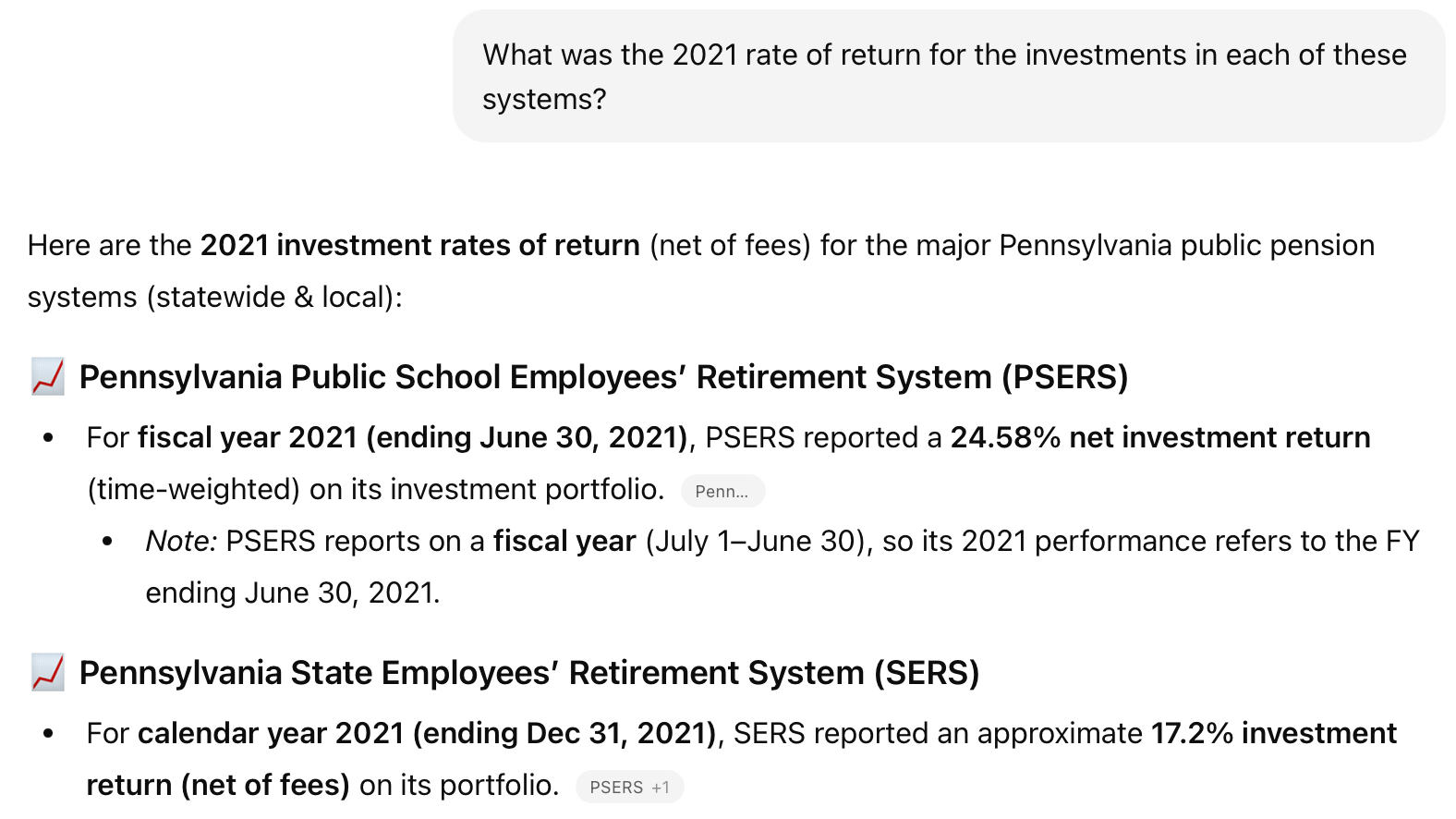
What about the rate of return on investment?
.
.
According to Chat, PSERS got a respectable 24.58% return on investments in 2021.
And sure, 17.2% is not as impressive, but really that is not too shabby for your 2021 return on investment. Good job SERS.
.
.
.
What did Pennsylvania think about itself after all that?
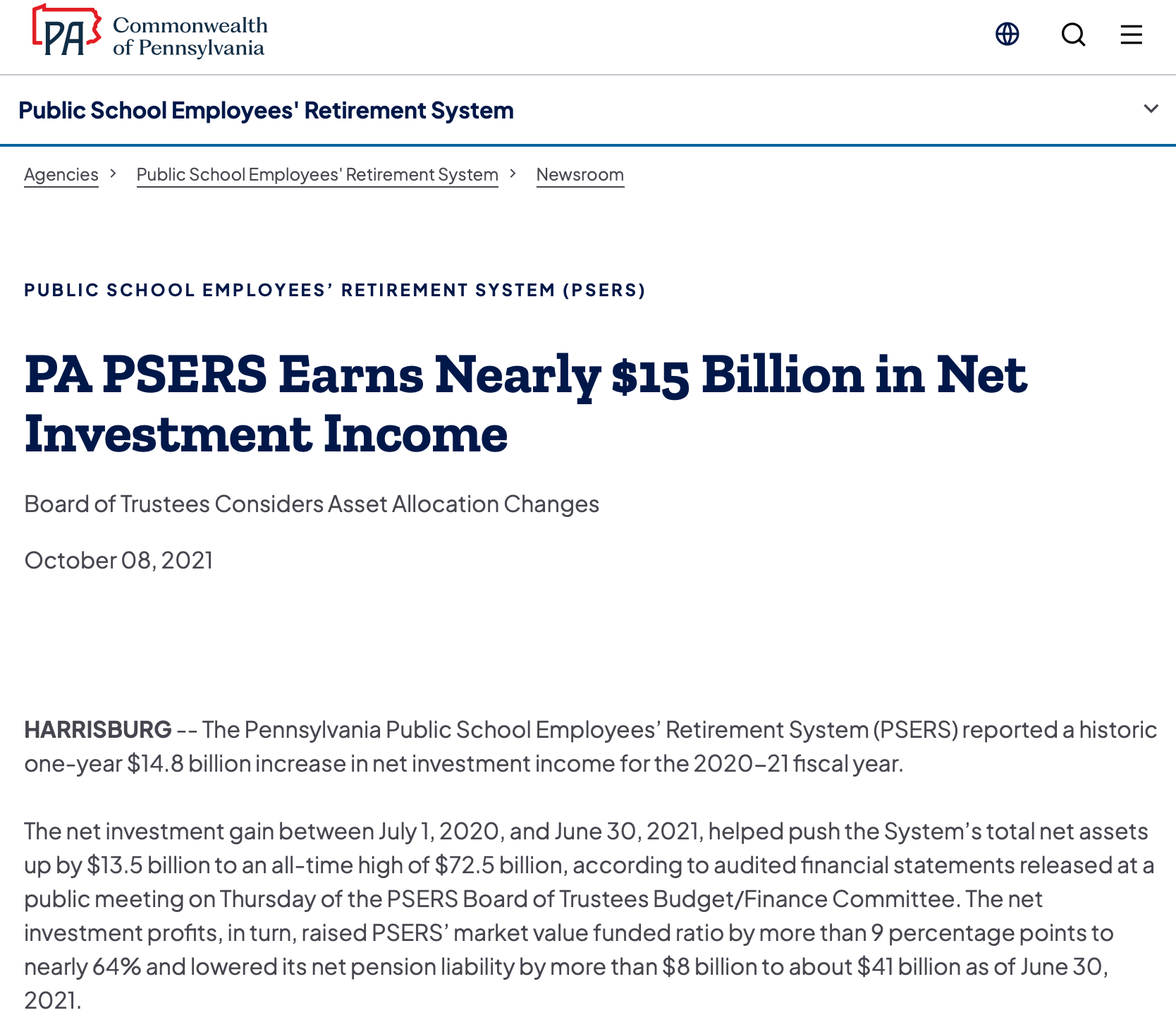
October 8th, 2021
HARRISBURG -- The Pennsylvania Public School Employees’ Retirement System (PSERS) reported a historic one-year $14.8 billion increase in net investment income for the 2020-21 fiscal year.
The net investment gain between July 1, 2020, and June 30, 2021, helped push the System’s total net assets up by $13.5 billion to an all-time high of $72.5 billion, according to audited financial statements released at a public meeting on Thursday of the PSERS Board of Trustees Budget/Finance Committee. The net investment profits, in turn, raised PSERS’ market value funded ratio by more than 9 percentage points to nearly 64% and lowered its net pension liability by more than $8 billion to about $41 billion as of June 30, 2021.
“The strong investment performance and actuarially required employer contributions during the fiscal year has led to unprecedented asset growth that is having positive residual effects on the system’s overall financial health,” PSERS Chief Financial Officer Brian Carl told the committee …
… That fiscal year return was above the Board’s policy Index by almost 4.0%, and also would be the highest fiscal year investment return since 1985.
.
“Historic”
“All-time”
“Unprecedented”
“Highest”
.
Nice!
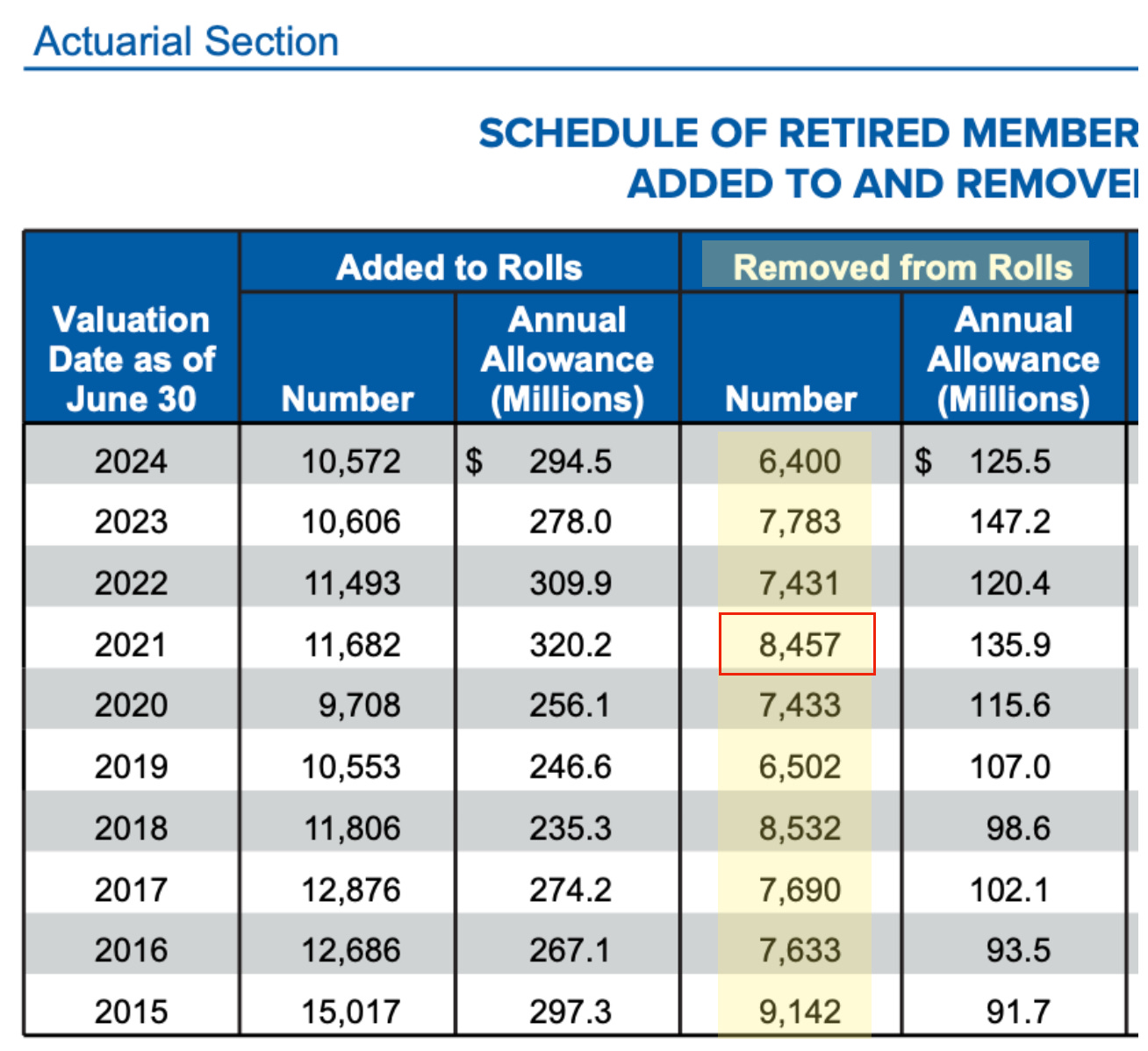
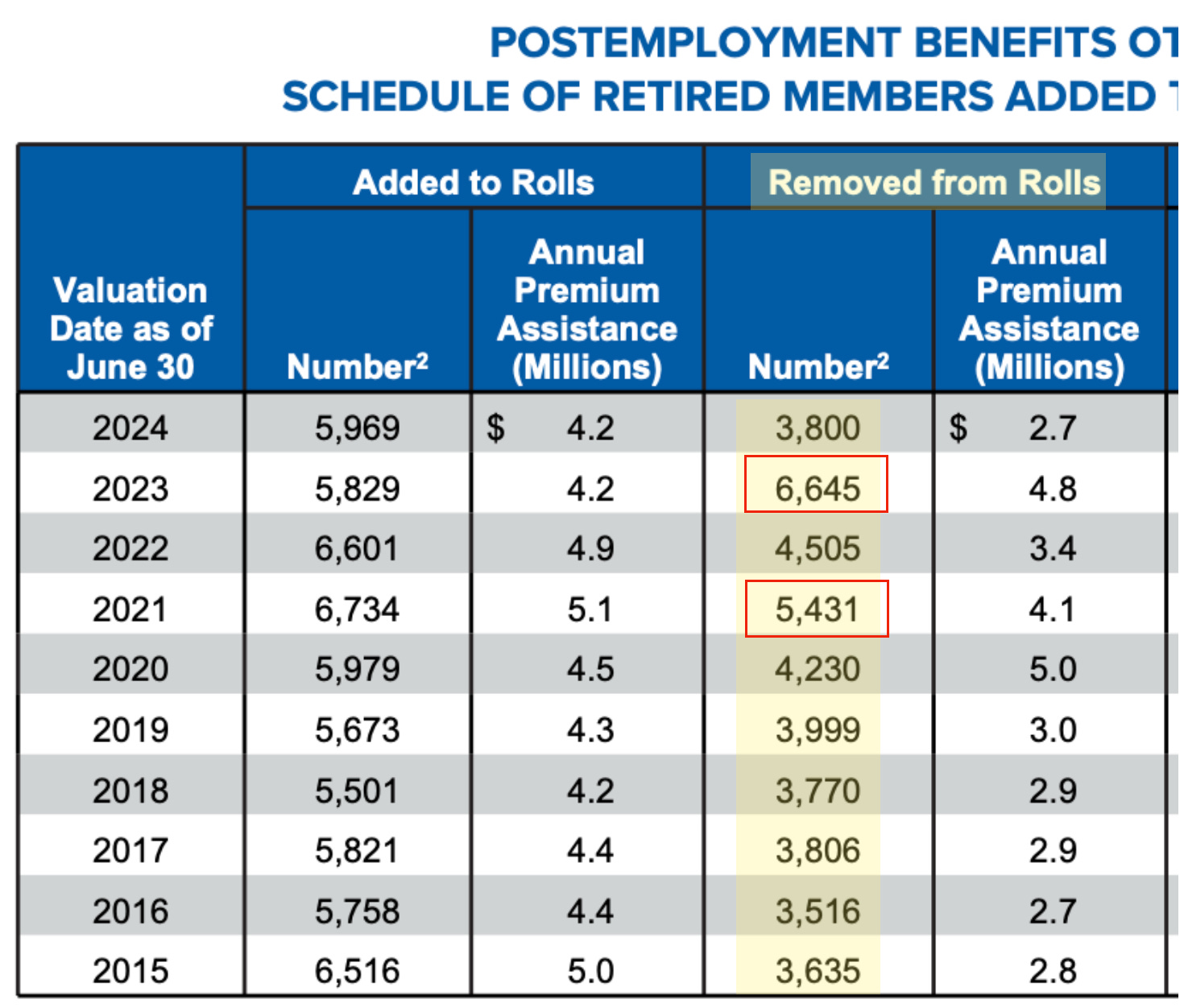
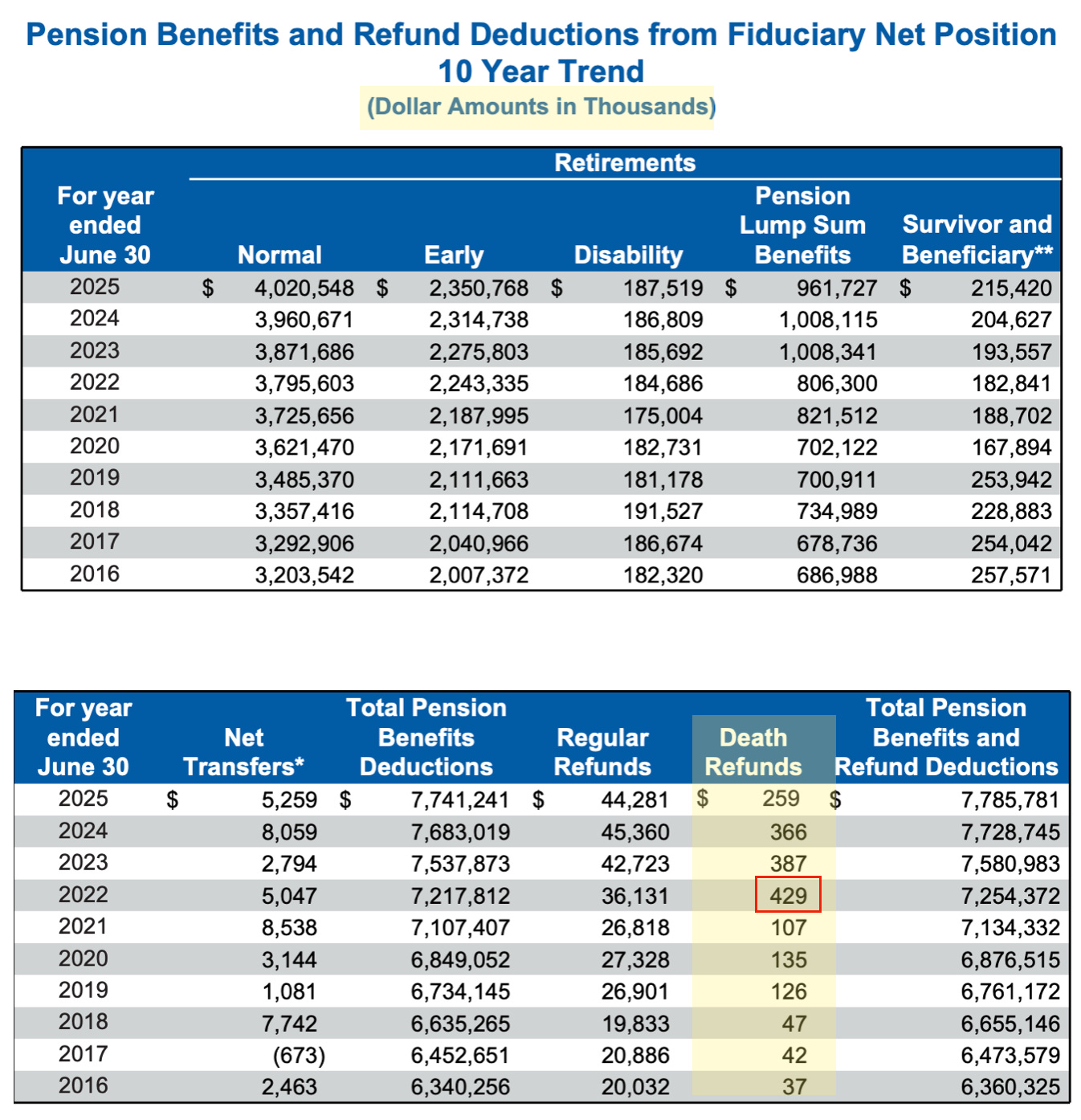
Now, what about the mortality numbers in these pension plans?
.
From the PSERS 2025 report:
page 126 (Schedule of Retired Members and Beneficiaries Added to and Removed from the Rolls)
.
page 137
.
.
.
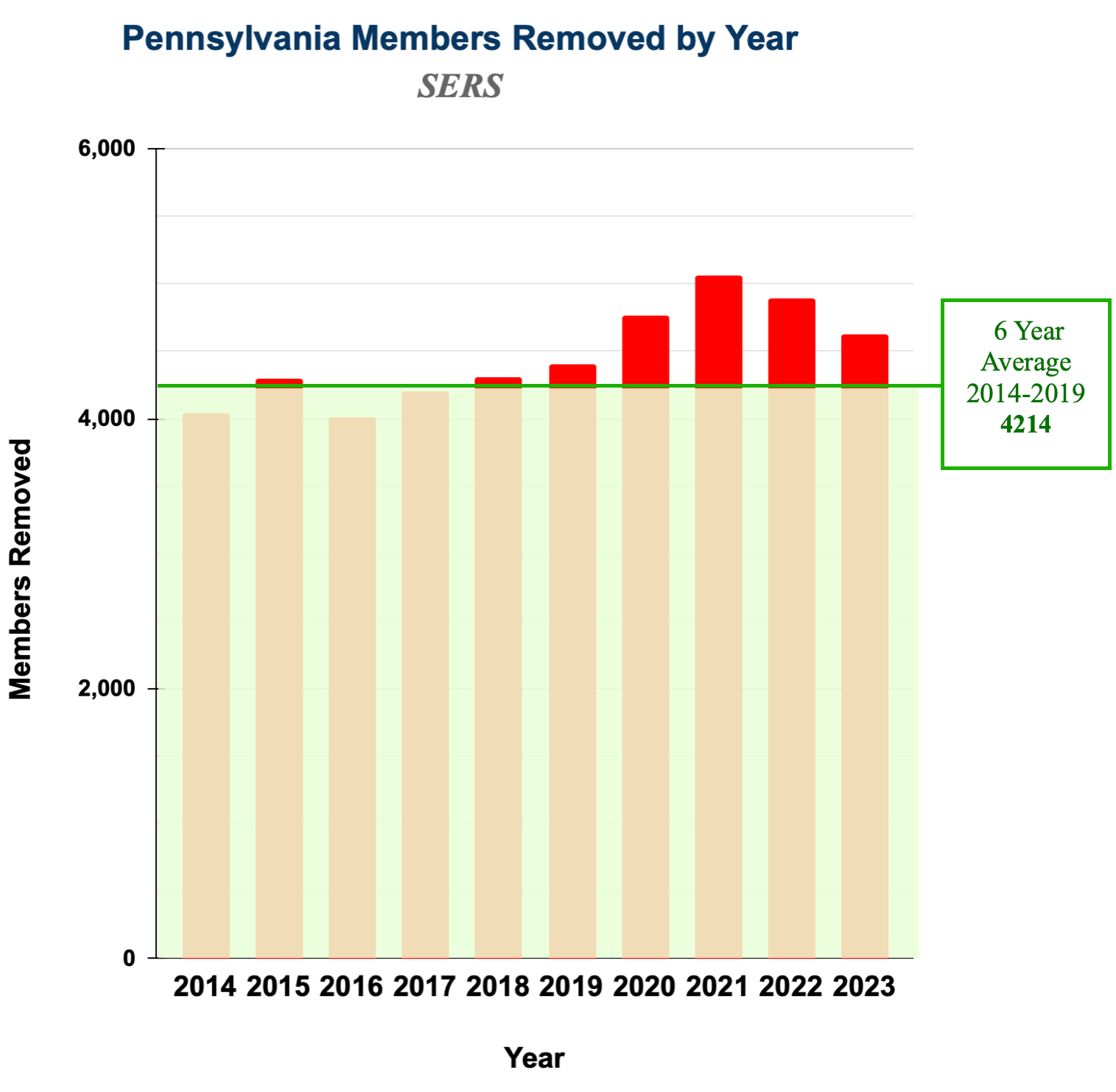
From my previous archived SERS post:
*(do go back to that post to see the numbers and tables that these graphs were made from).
.
.
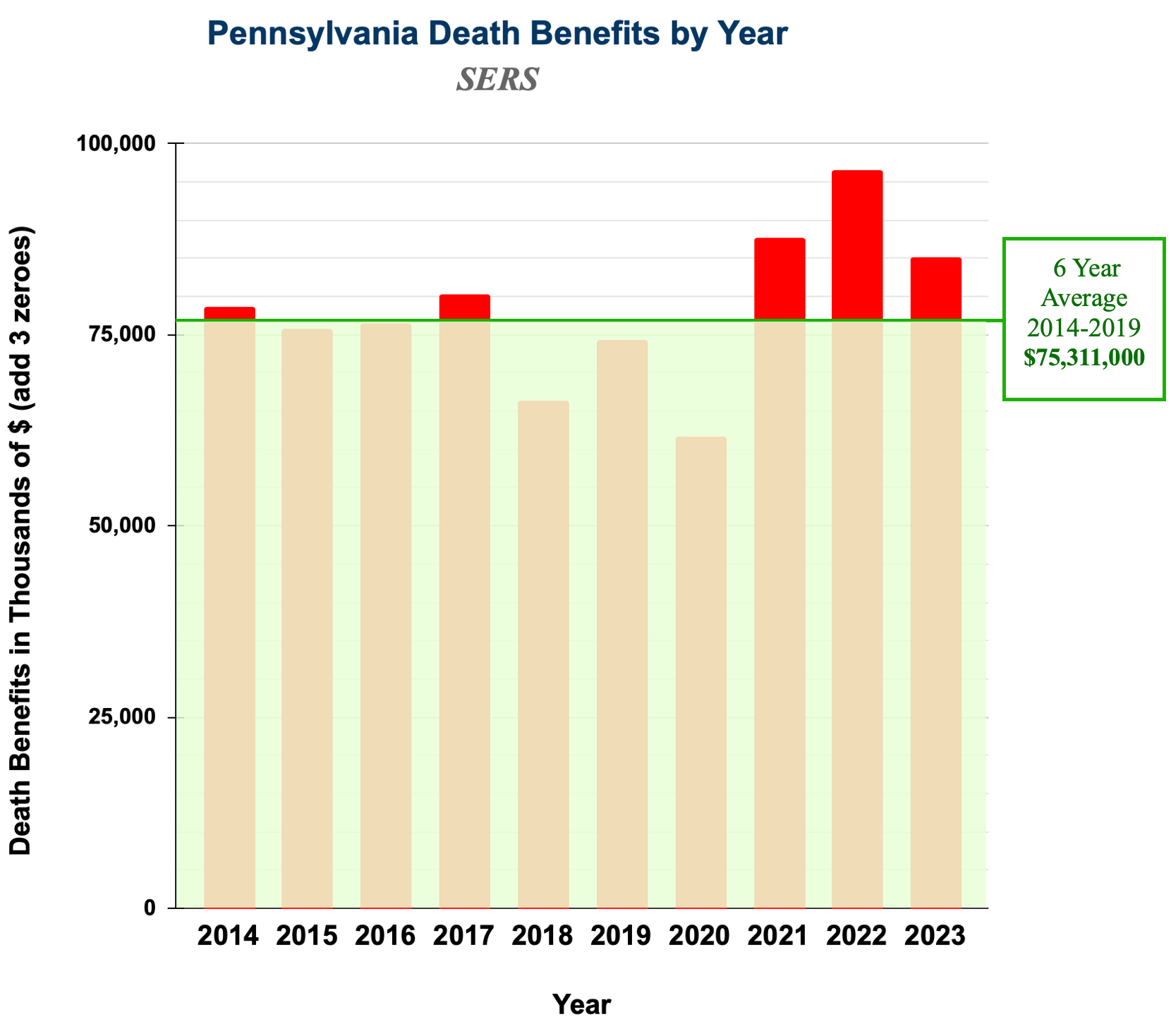
*do keep in mind on the above graph that SERS has a fiscal year ending on December 31st when comparing the mortality in 2020 to 2021. The no vaccine year (2020) had way less death benefits than the first with vaccine year (2021) … and 2022 kept going even higher!
.
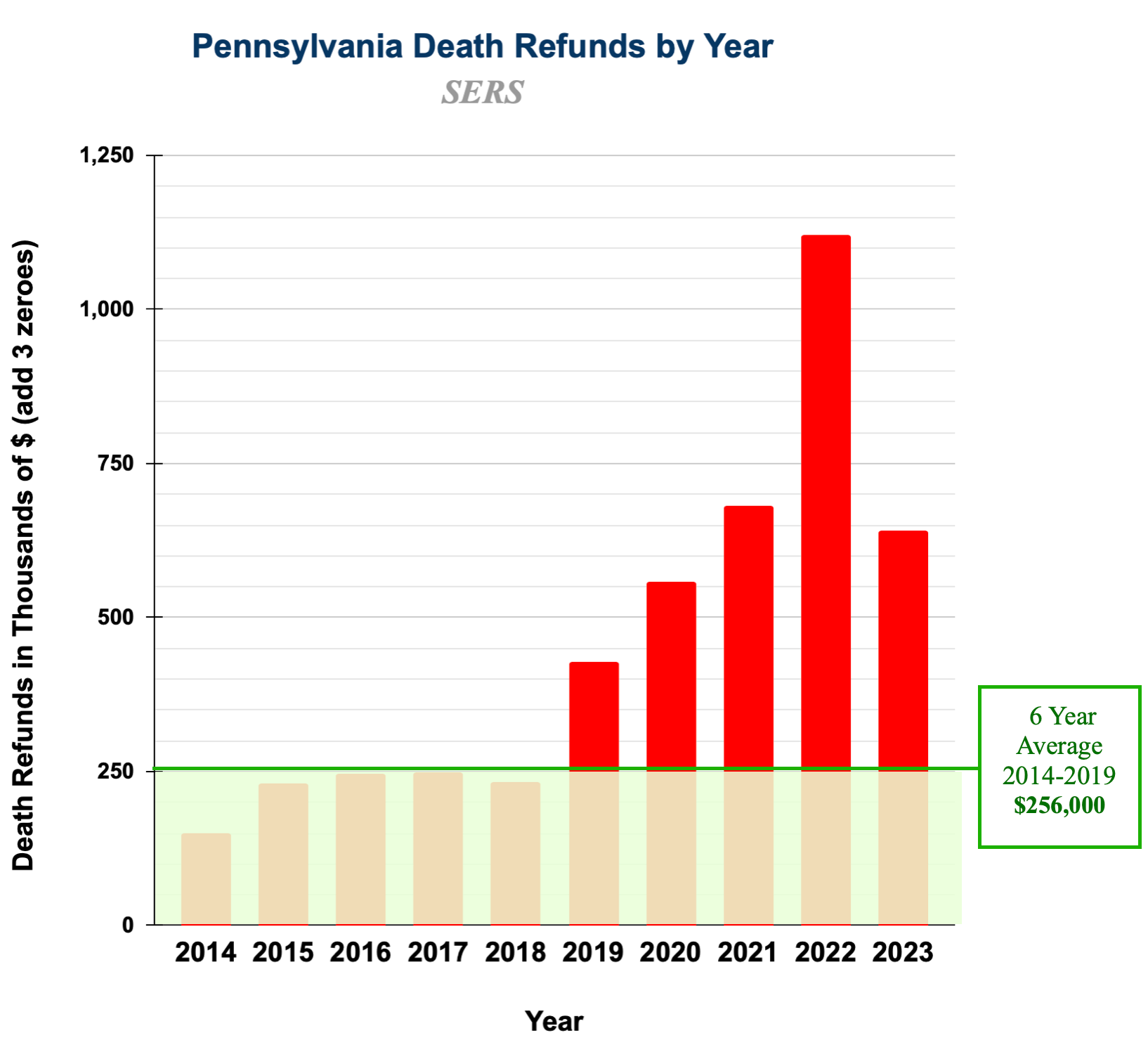
.
*boy it sure looks to me as if something happened around 2021 to cause a few more members to die than before.

.
.
.
*in case you have forgotten …
Pandemic Milestones:
January 20, 2020
-First covid case in the U.S.
December 11, 2020
-Pfizer Emergency Use Authorization
December 18, 2020
-Moderna Emergency Use Authorization
August 23, 2021
-Pfizer full FDA approval
December 2021 / January 2022
-CDC and FDA revise booster recommendations
-Rapid booster uptake
January 31, 2022
-Moderna full FDA approval
August 31, 2022
-FDA authorized Pfizer and Moderna’s new bivalent COVID booster vaccines
April 10, 2023
-Biden declares the end of the pandemic
.
.
.
You’ve done it again, turning up numbers, dates and agents (e.g., Levine) in a pattern consistent with other states in this Ghost Bomb category.
Thank you David. Even after doing thiis work for a couple of years now, I keep finding new angles to this bizarre story. The connections mysteriously show up in unexpected places. I could make an extended series just about Pennsylvania.