
The Ghost Bomb Six {No.5}
NEW YORK ... 2020 Early Spring Deaths, Astronomical Investment Gains in 2021 & Unexpected Mortality After the Vaccine Rollout


.
Wow.
So here we are … the Big One.
Honestly, I do not know if I will be able to do this justice. The story is just so big and full of angles, tangents and layers. I’m just going to do this off the hip, so to speak.
.
But first, for any new readers, I will do a little refresher of this project:
In this recent post I laid out the parts of a little puzzle I am working on.
In the spring of 2020 there were some places in this country that saw very unseasonal increased mortality.
In the following year (fiscal year 2021) many of these same places had huge windfalls in their public employee pension plans due to historic investment gains.
These investment gains were happening simultaneously with additional increased member mortality into 2021 and beyond.
A look back at the solvency of these same pension plans in 2019 shows that many of these locations that had the strange 2020 spring death surge were in pretty bad financial shape right before the pandemic hit.
.
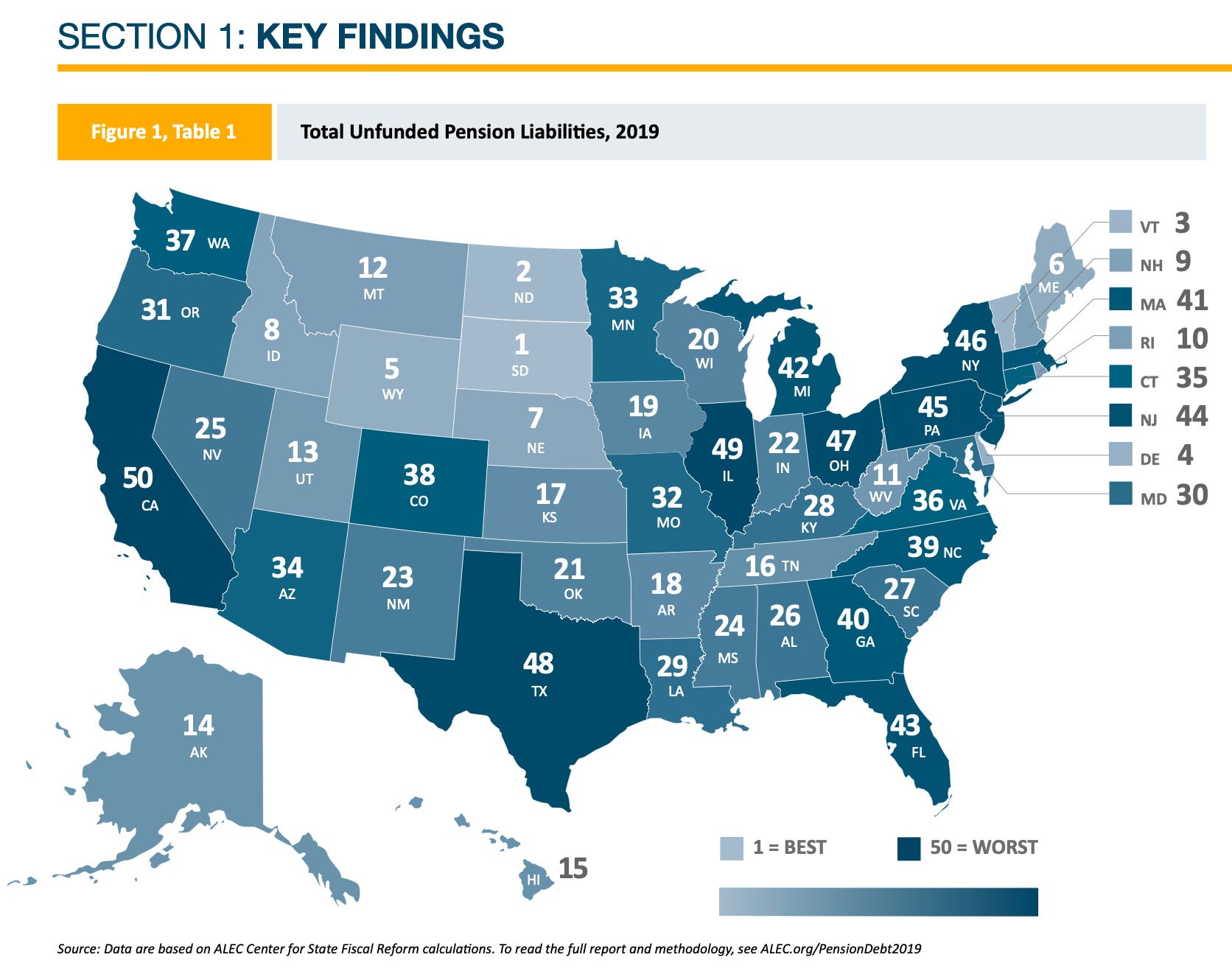
Previously I pointed out that in those 14 US state locations that saw this big spring mortality spike, there were six that also showed up in the bottom ten of the worst pensions of 2019.
Since I have dubbed that April/May death surge the “Ghost Bomb,” these places are now the Ghost Bomb Six.
They are (links provided to the ones we have previously looked at):
Massachusetts … The Ghost Bomb Six {No.1}
Pension System Rank: 41
Michigan … The Ghost Bomb Six {No.2}
Pension System Rank: 42
New Jersey … The Ghost Bomb Six {No.3}
Pension System Rank: 44
Pennsylvania … The Ghost Bomb Six {No.4}
Pension System Rank: 45
New York …
Pension System Rank: 46
Illinois
Pension System Rank: 49
.
The pensions are ranked with 1=best, and 50=worst.
.
.
.
Where to start?
.
.
.
Andy got a statue!
(at least for a little while)


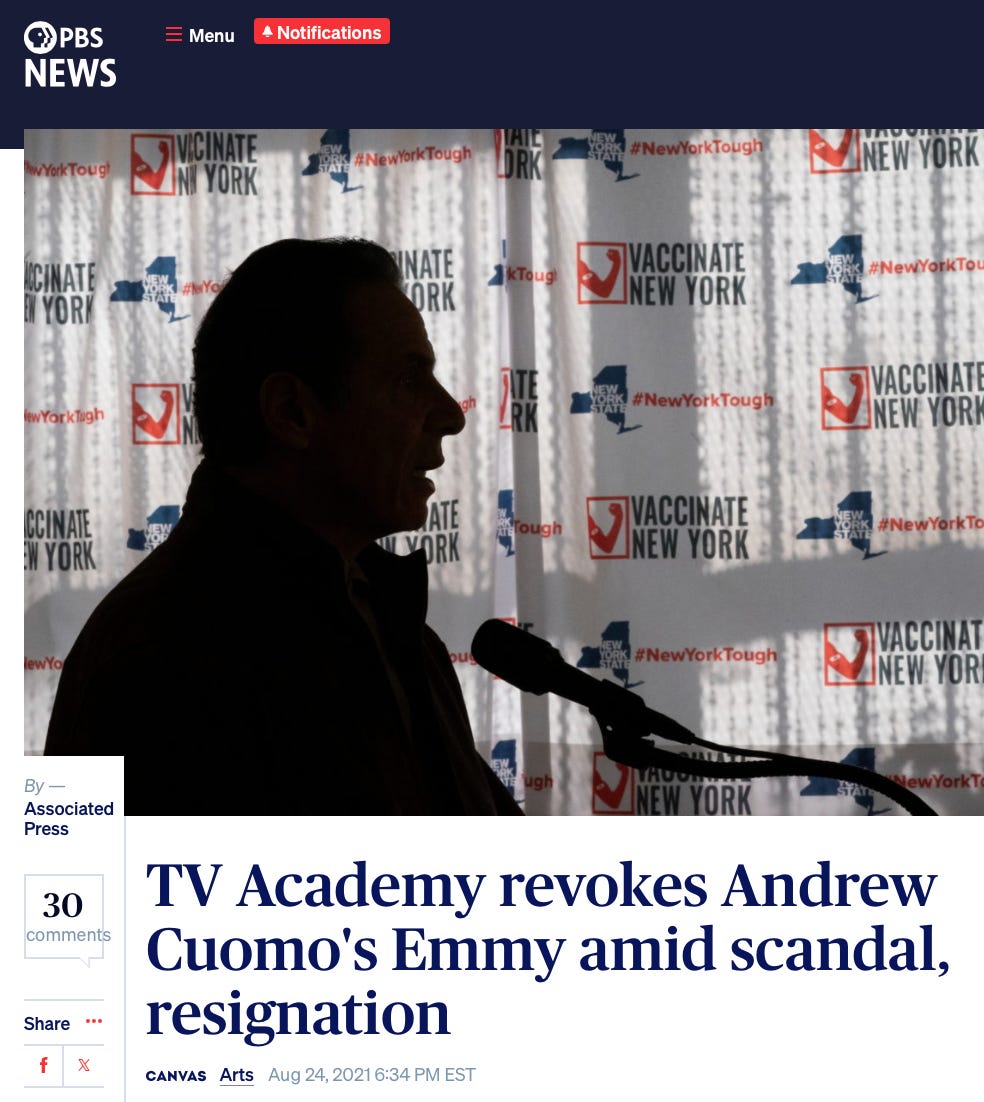
August 24, 2021
“… Cuomo left office at 12 a.m. Tuesday, two weeks after he announced he would resign rather than face an impeachment battle that seemed inevitable after a report by independent investigators — overseen by state Attorney General Letitia James — concluded he had sexually harassed 11 women …”
.
So the governor of New York got an Emmy for his daily “covid” briefings. But they took it away because he forgot how to properly social distance.
.
.
.
But I want to look again at picture number two up there. What’s in the background in that one?
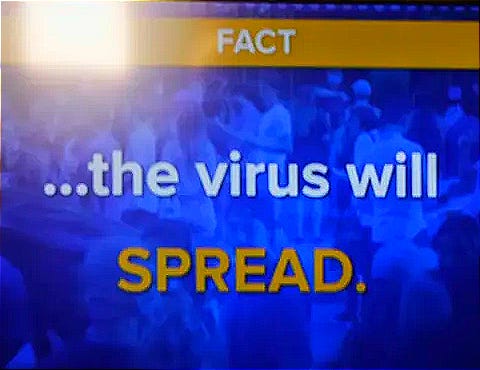
“FACT
…the virus will
SPREAD.”
.
.
.
.
.
.
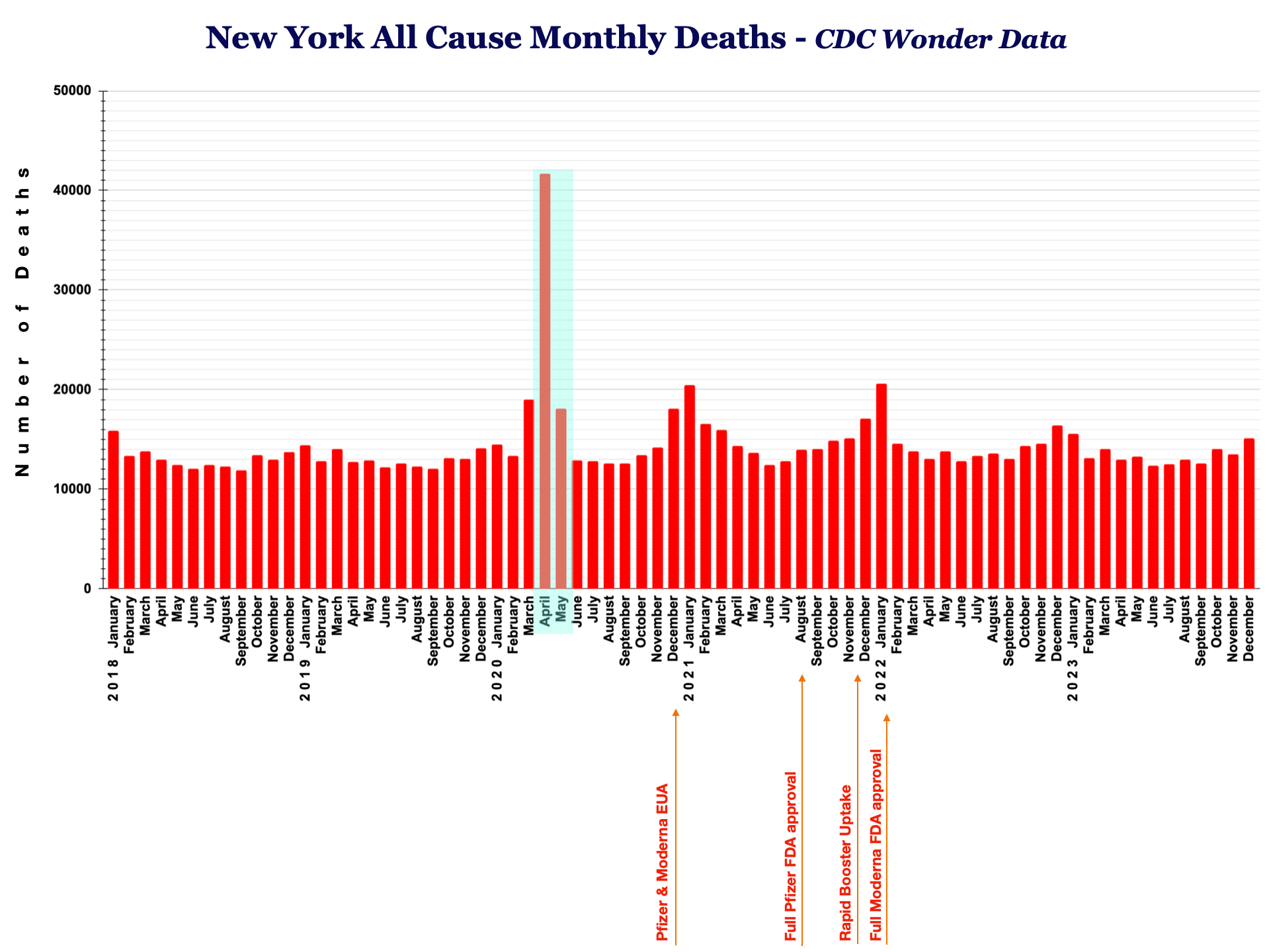
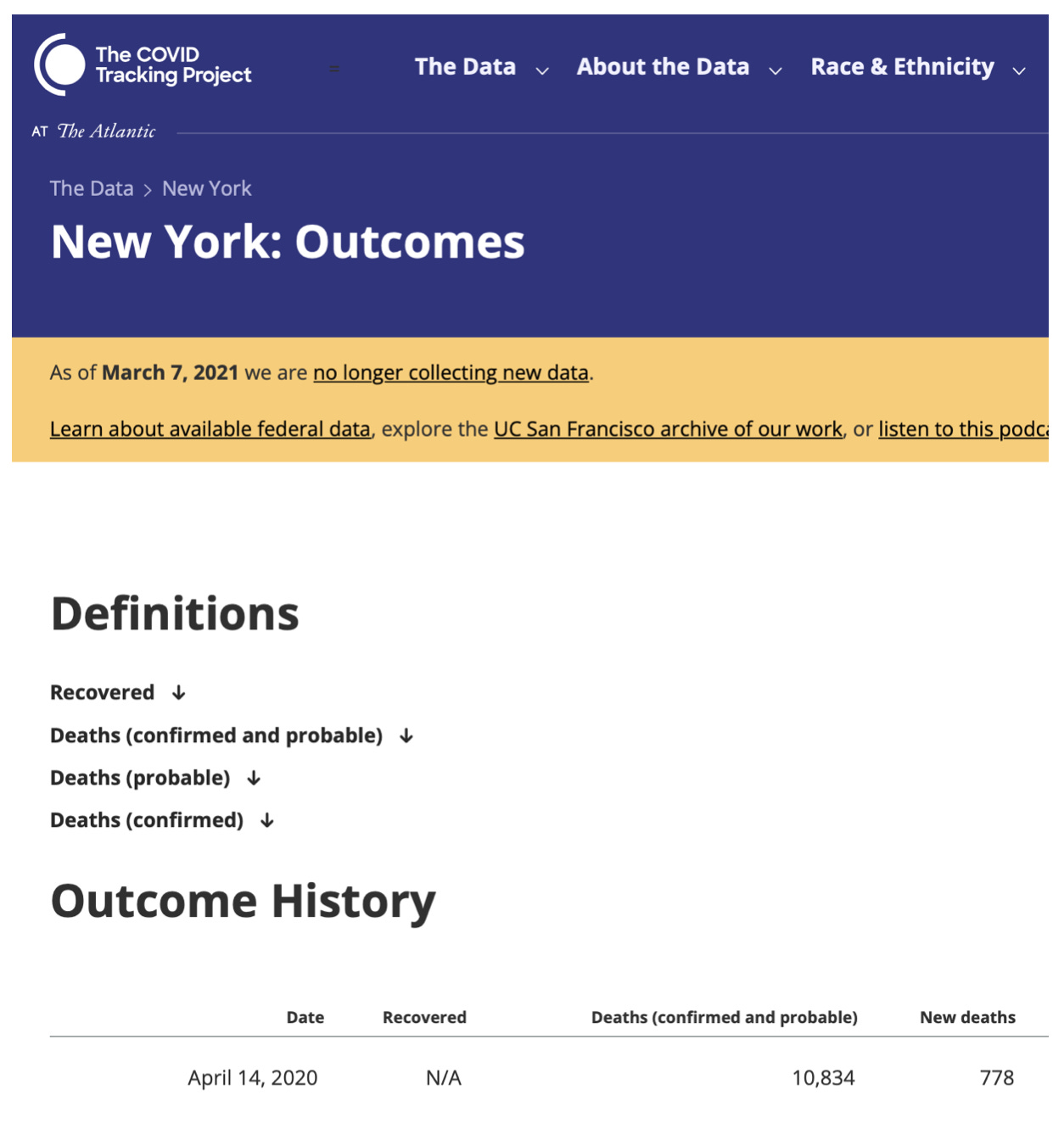
Did you know that on March 14, 2020 the first death from “covid” happened in New York?
Take a guess … how many “covid” deaths do you think there were exactly a month later on April 14th?
10,000
.
.
.
.
.
.
That blows my mind.
.
.
.
Does that blow your mind?
.
.
.
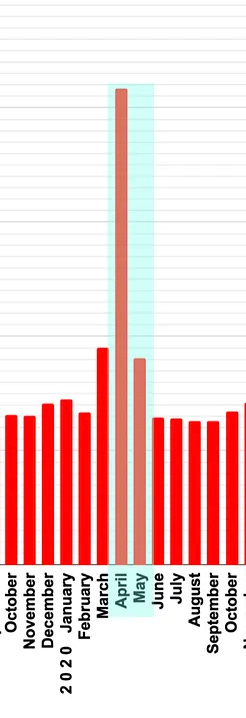
Where the hell did that violent unstoppable damn superbug go so suddenly after April?
Why didn’t it just keep destroying … mowing people down?
Seemed more like a bomb than a bug.
.
Look at it again:
.
.
.
If you are here rummaging around in my electronic filing cabinet, then you are probably all too familiar with the various theories about what really caused this goddam explosion to go off in New York.
Iatrogenic deaths, of course.
Not the sudden onslaught of a novel pathogen.
The carnage that occurred in the hospitals and the nursing homes is well documented and thoroughly discussed by others more versed in that topic than me. So I will let you go consult those folks as you will. You see, I do not want it to take you an entire day to read this little post of mine.
So I will just stick to my areas of discovery.
.
.
.
What a preamble!
.
Now let’s get to what I found on the actual (supposed) topic at hand.
.
The Big Payday

Of course, we have more than one pension plan here in New York to take a look at:
.
1) New York State and Local Retirement System (NYSLRS)
-2025 Annual Comprehensive Financial Report, ended March 31st
.
page 179 (SCHEDULE OF ADDITIONS TO FIDUCIARY NET POSITION)
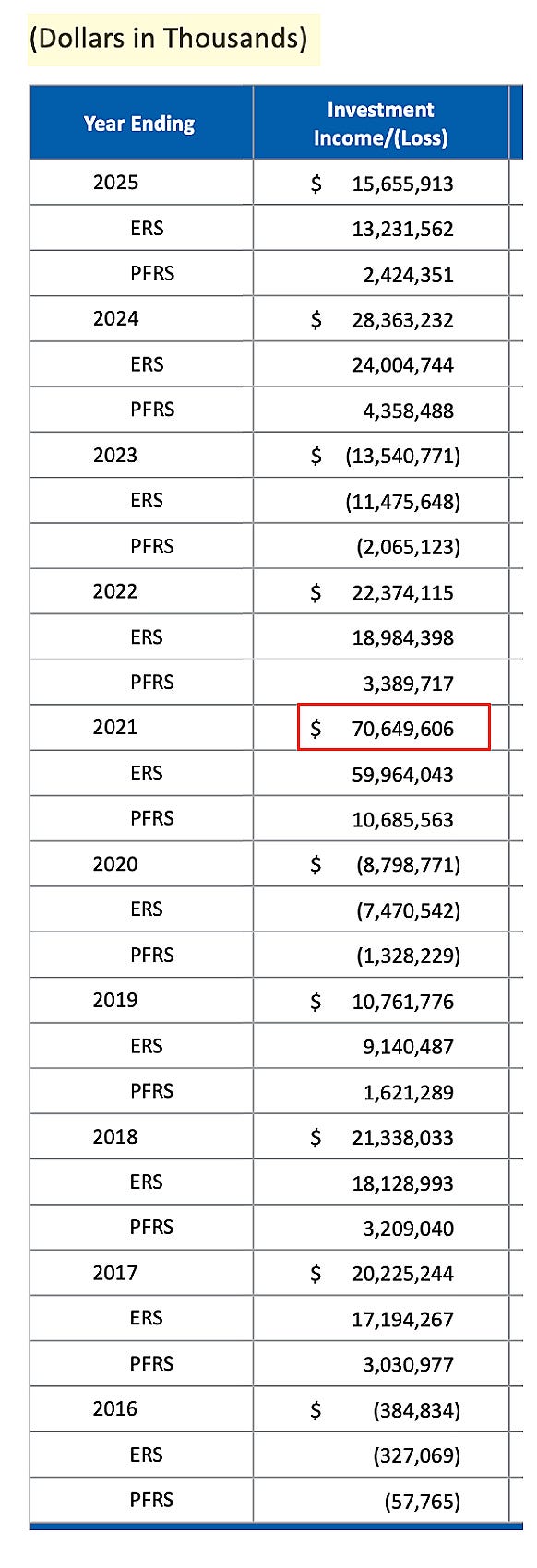
*That is a very nice 78 billion dollar swing from 2020 to 2021. And they were able to pull that off by the end of March in 2021!
(ERS and PFRS are two sub-groups here. Those simply stand for Employees Retirement System and Police and Fire Retirement System).
.
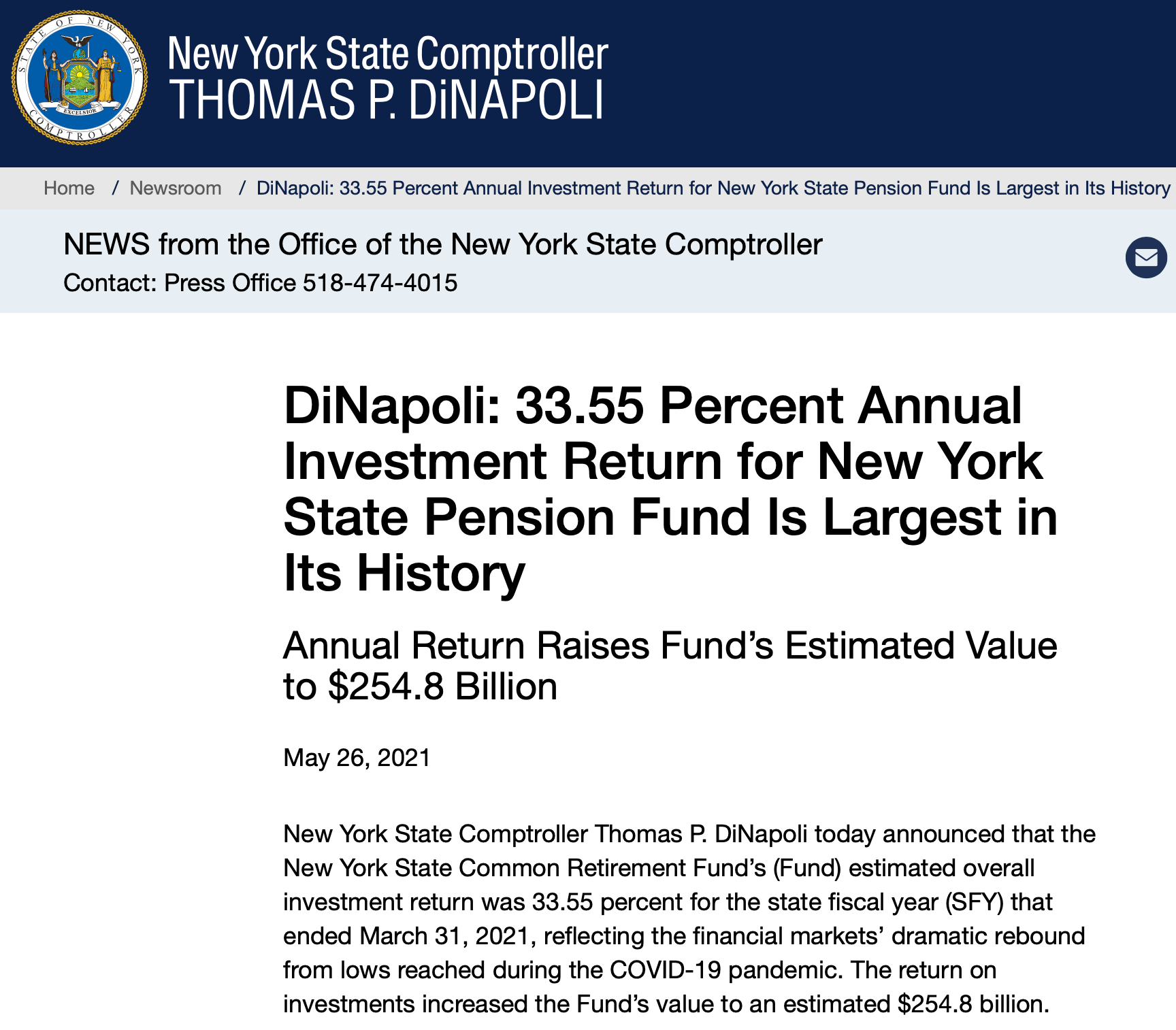
May 26, 2021
“The state pension fund rode the market rebound from the depths of the pandemic and enjoyed the largest one-year investment return in its history,” DiNapoli said.
.
33.55% return.
Nice!
.
.
.
And the teachers, how did they do?
,
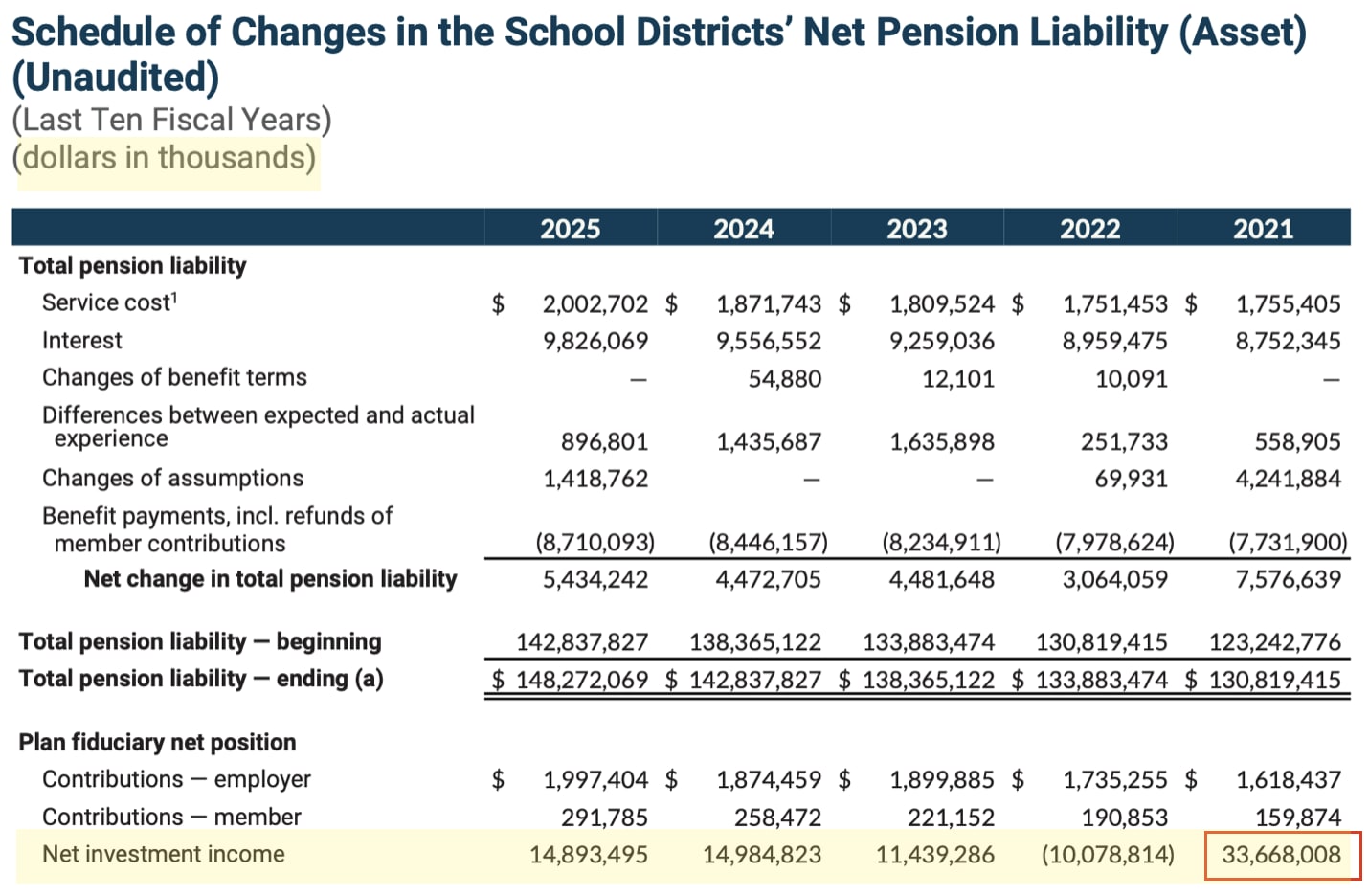
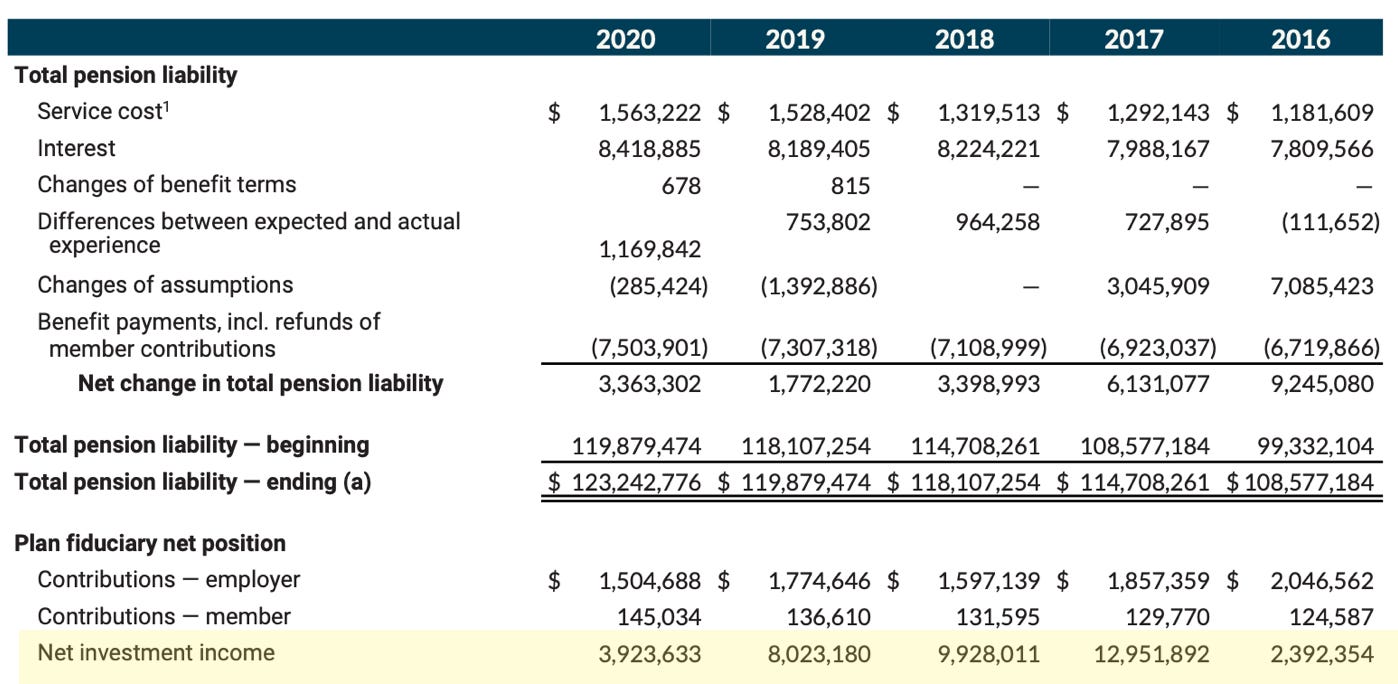
2) New York State Teachers' Retirement System (NYSTRS)
-2025 Annual Comprehensive Financial Report, ended June 30th
.
pages 60 & 61 (Schedule of Changes in the School Districts’ Net Pension Liability)
.
*Looks like from that table, the teachers got around a 30 billion dollar swing from 2020 to 2021.
Not too bad.
.
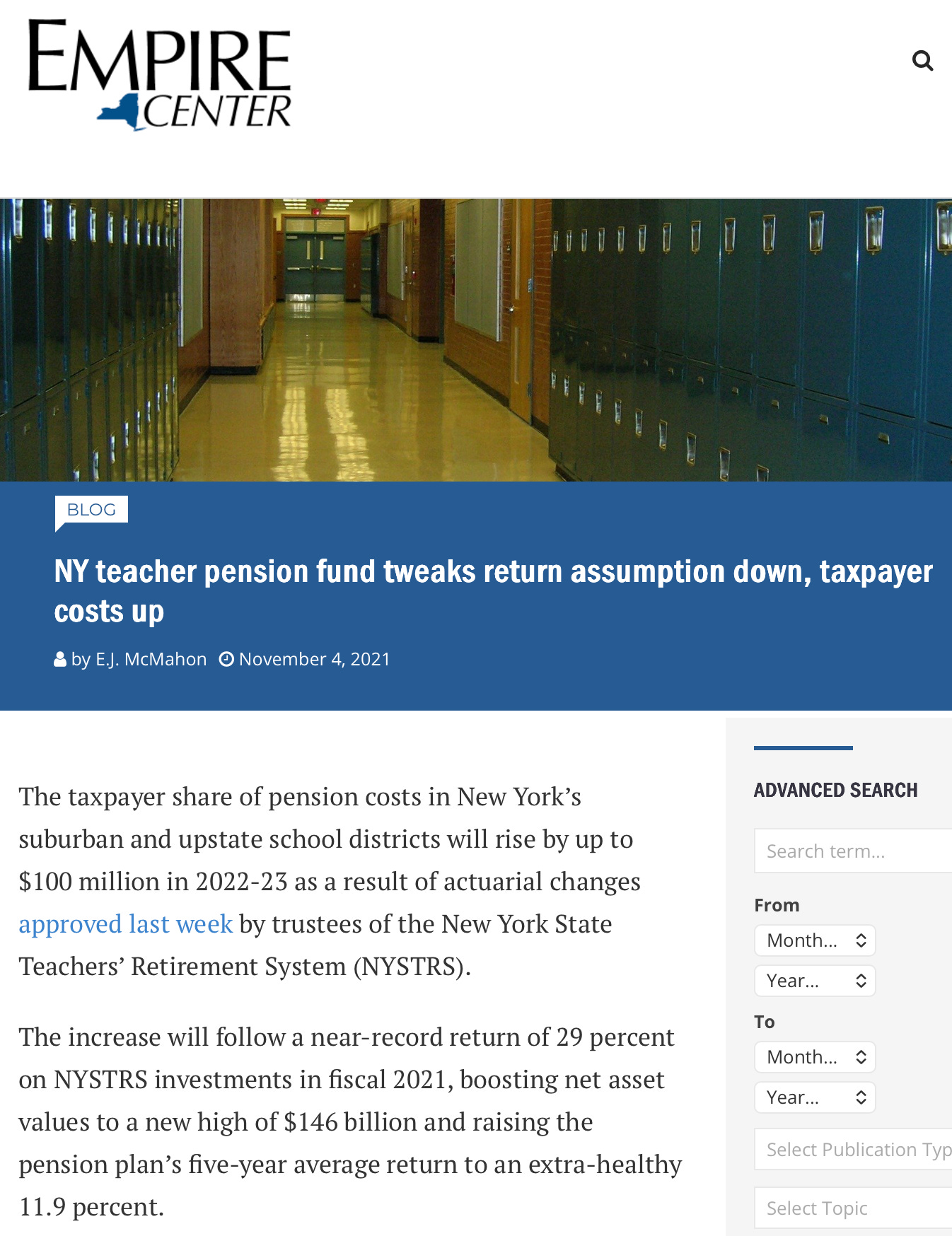
November 4, 2021
“…The increase will follow a near-record return of 29 percent on NYSTRS investments in fiscal 2021, boosting net asset values to a new high of $146 billion and raising the pension plan’s five-year average return to an extra-healthy 11.9 percent …”
.
29% return.
That’s nice too!
A new high … $146 billion … very, very nice!
.
(***It seems that the teachers were a little more modest about telling everybody just how awesome their investment returns were. No press releases or anything. Well I just had to run that by my new friend, ChatGPT, and he/she/it confirmed that it was in fact the best for quite some time. I will drop that conversation in the supplemental section at the end of this post should you be curious.)
.
So the takeaway here is that both of the major public pension systems in New York saw historic (if not best) return performance on their investments in 2021.


Unexpected Mortality

1) New York State and Local Retirement System (NYSLRS)
-2025 Annual Comprehensive Financial Report, ended March 31st
.
The following graphs I made a few months ago for the NYSLRS are interesting. Even though the fiscal year ends on March 31st for this pension system, they seem to have captured the explosion that happened in New York in 2020. This is odd because the explosion occurred in April.
Regardless, the members removed remain elevated well after 2020, and the death benefits are very troubling.
***Please consult my previous posts (here and here) about this pension system for screenshots of the tables these next graphs were made from.
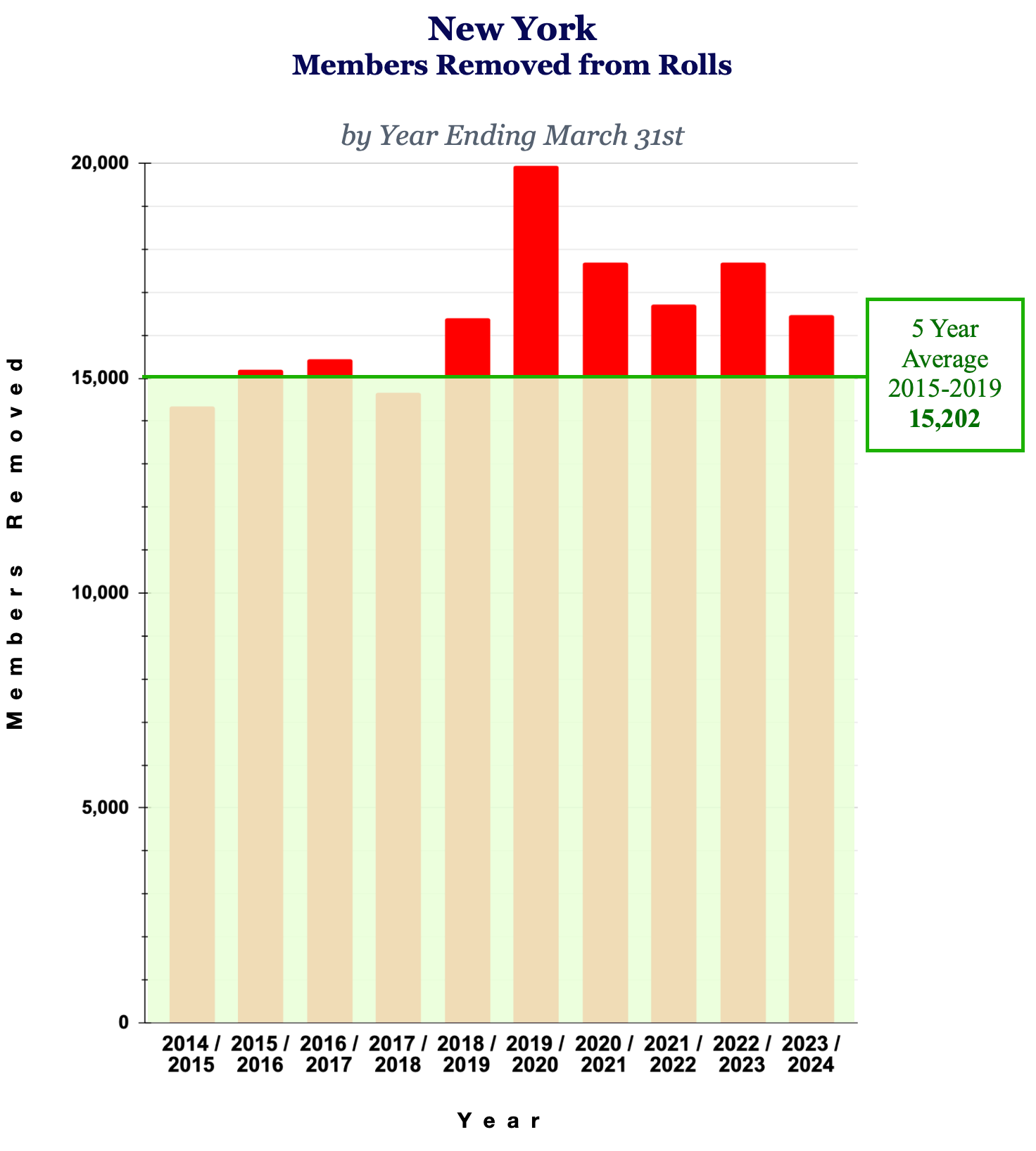
*the above graph only uses the numbers for the ERS members.
.
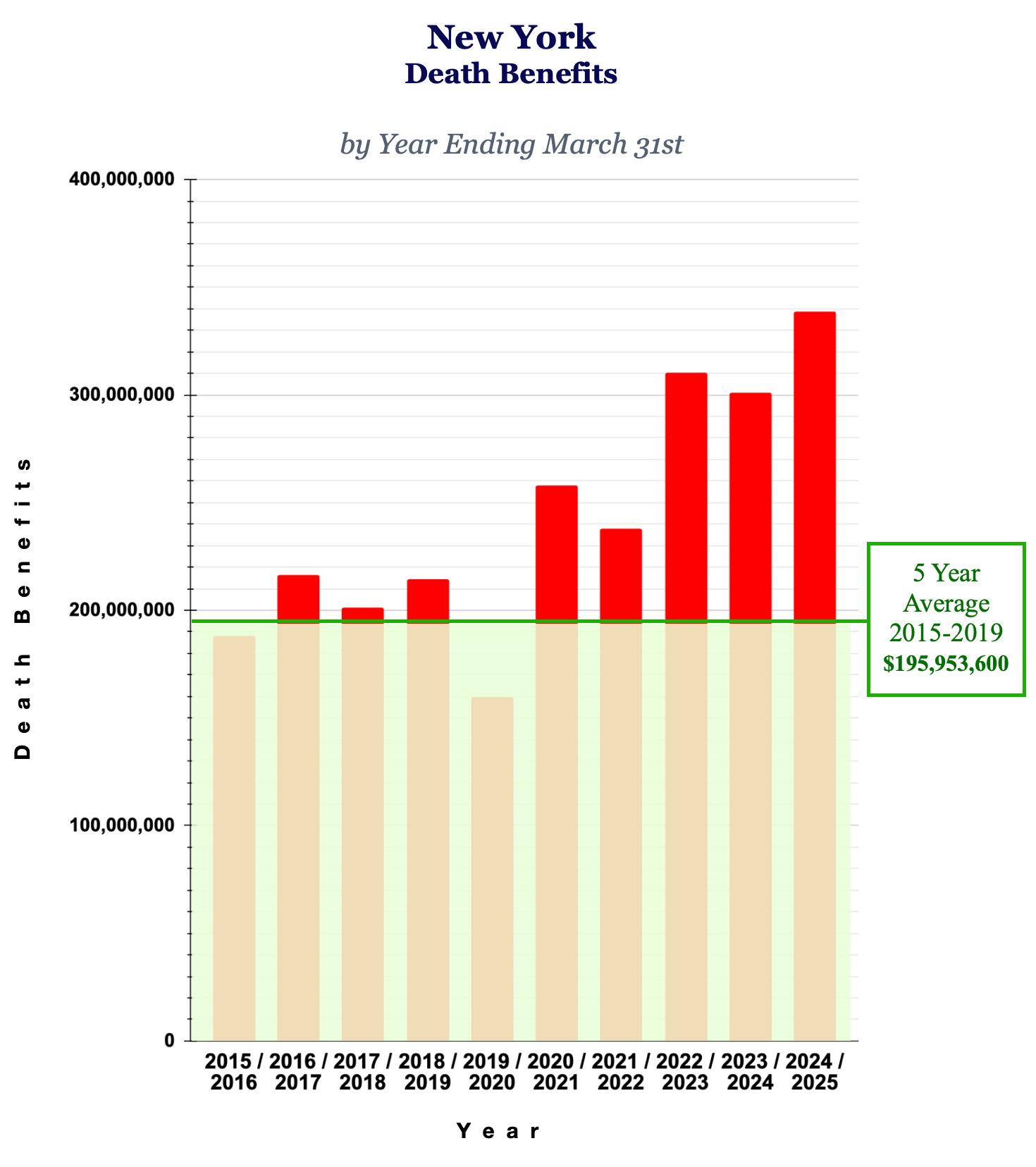
*the above graph represents both groups ERS and PFRS.
Something is still causing elevated death benefits in this most recent report.
Just look at 2024/2025!
.
.
.
***To my surprise, I have not done a previous look at this NYSTRS teacher pension system here in New York. I did look at one other NY educators system though, but it was for the City of New York. If you are interested, that pension group is called BERS (Board of Education System) and here is the link to that old report. The numbers you will see there are similar to what we are looking at here.
.
2) New York State Teachers’ Retirement System (NYSTRS)
-2025 Annual Comprehensive Financial Report, ended June 30th
.
page 121 (Schedule of Retired Members and Beneficiaries Added to and Removed From the Benefit Payroll)
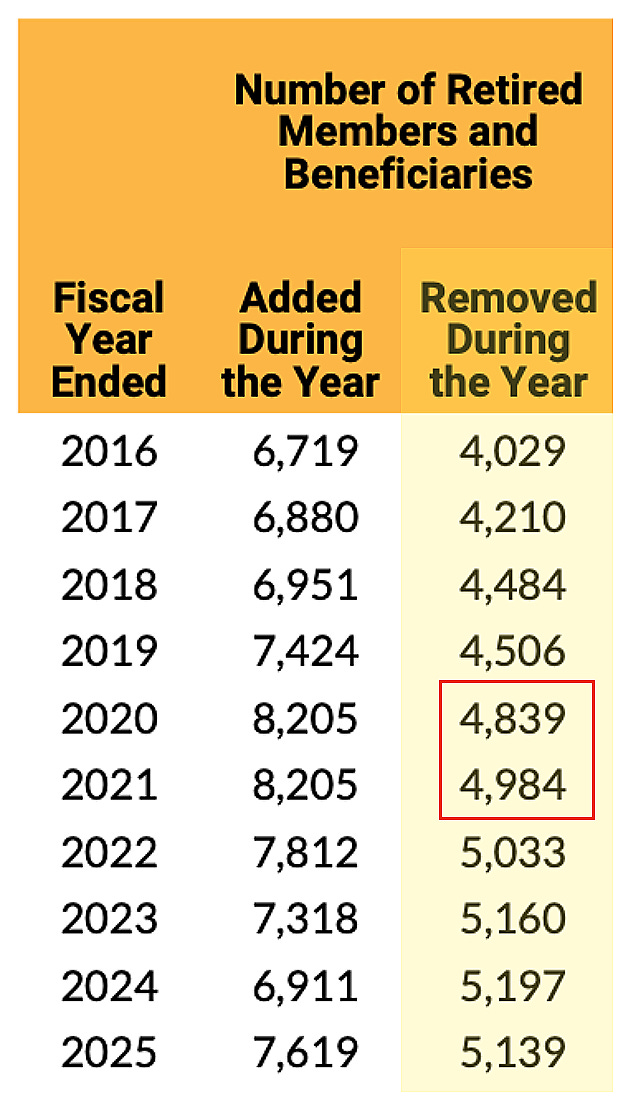
*So why does fiscal year 2020 have less members removed than fiscal year 2021? Remember that this pension group has a fiscal year that ends on June 30th. The Ghost Bomb would be reflected on the 2020 line since it happened in April of 2020.
Curious.
.
At least the removals are starting to taper back down a little in 2025.
.
pages 140 & 141 (Benefits and Return of Contributions by Type)
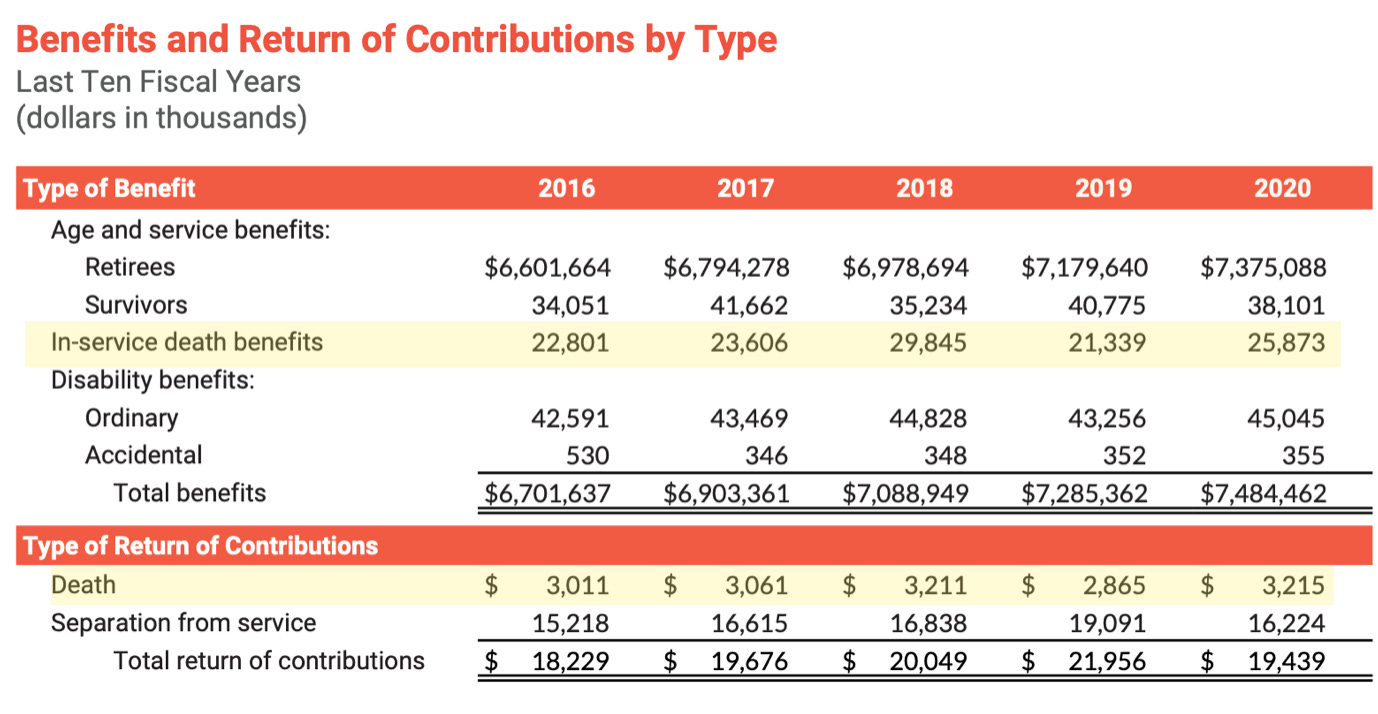
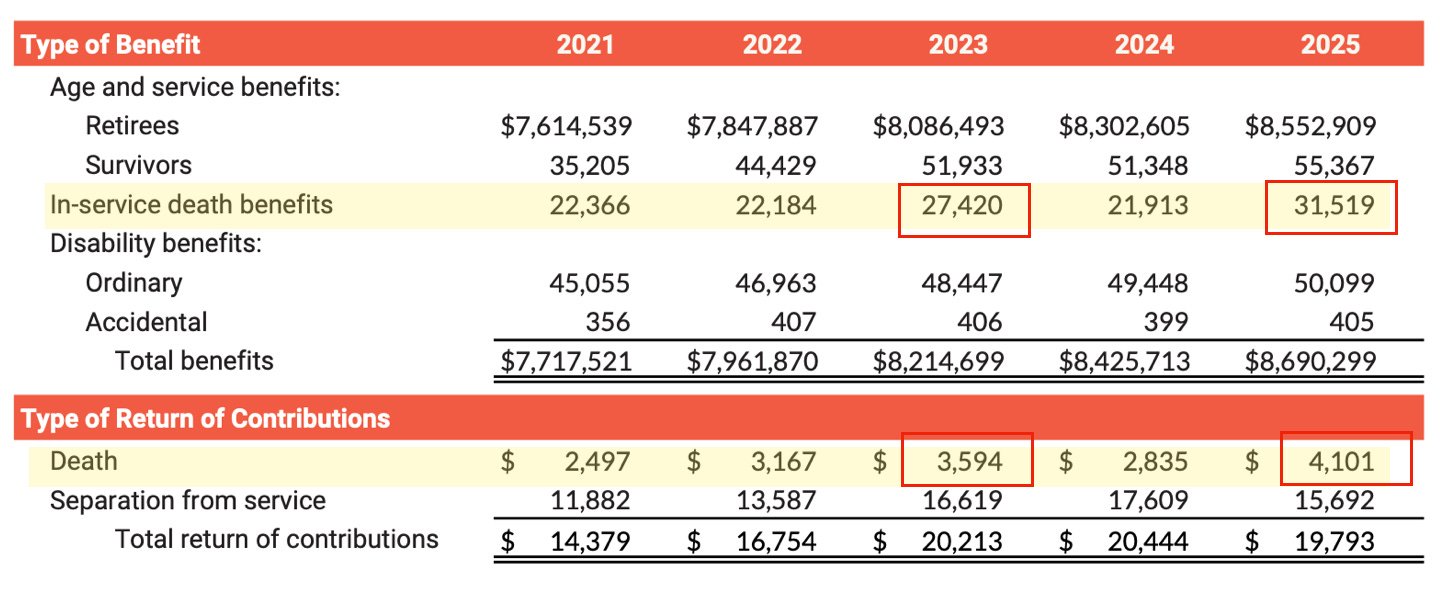
*So I was about to make some graphs from these tables. But honestly, my mind is mush. I’m tired. And who cares anyway?
Take a look at those numbers. Add three zeroes … those are dollars in the thousands.
In-service death benefits = younger working people that died.
2023 has way more death numbers here than 2020 … and just how is that?
.
2025 has the largest death figures yet.
.
You see that right?
.
.
.
Well this one is probably a hot mess. Oh well. That’s what I got.
Supplemental
.
Teacher Pension Investment Performance Record:
ChatGPT said:
I found actual historical performance data for the New York State Teachers’ Retirement System (NYSTRS) that lets us compare FY 2021’s ~29 % return with prior returns going back about a decade:
📊 NYSTRS Annual Returns, June 30 fiscal years
From the NYSTRS 2021 Annual Report’s Annual Performance History table:
2011: ~23.2 % (reported in historical press) — one of the very strong pre-pandemic years.
2012: ~2.8 %
2013: ~13.7 %
2014: ~18.2 %
2015: ~5.2 %
2016: ~2.3 %
2017: ~12.5 %
2018: ~9.0 %
2019: ~7.1 %
2020: ~3.5 %
2021: ~29.0 %
📌 These percentages are net of fees as reported in the official NYSTRS 2021 investment report.
🏆 Was FY 2021 the Best Ever?
Yes — by this historical series, the FY 2021 return (~29 %) was the highest annual return in the decade shown (2012–2021) and materially higher than all prior 10 years of the published performance history in that table.
The next strongest year in that span appears to have been 2011 (~23.2 %), based on press reporting from that period.
📌 Takeaway
So although the NYSTRS public press releases for FY 2021 didn’t explicitly say it was the best in the fund’s history, the official performance data show that FY 2021’s ~29 % net return was higher than any annual return recorded in the available historical performance series, at least for the decade going back to 2012.
.

.
.
.
*in case you have forgotten …
Pandemic Milestones:
January 20, 2020
-First covid case in the U.S.
December 11, 2020
-Pfizer Emergency Use Authorization
December 18, 2020
-Moderna Emergency Use Authorization
August 23, 2021
-Pfizer full FDA approval
December 2021 / January 2022
-CDC and FDA revise booster recommendations
-Rapid booster uptake
January 31, 2022
-Moderna full FDA approval
August 31, 2022
-FDA authorized Pfizer and Moderna’s new bivalent COVID booster vaccines
April 10, 2023
-Biden declares the end of the pandemic
.
.
.
New York City’s emergency rooms were not overwhelmed in spring 2020. They were busier during the 2017-2018 flu season than they were at any point between lockdown orders and January 2022.
NYC hospital EDs were not overrun with patients, dropped 60%, yet saw an additional 15,000 deaths in inpatient vs 2019 in 12 weeks.
No notable increase in hospital inpatient mortality until week 12. Then bombs went off. Viral pathogens don’t operate like bombs even if you believe in that sort of thing.
People were killed en masse via intubation with accompanying medications and other measures. Investigators found nearly half of patients diagnosed with “COVID-19” develop a secondary ventilator-associated bacterial pneumonia.
What drugs were being used in NYC hospitals?
These include midazolam, propofol and fentanyl drugs which suppress respiration. Isn't that the opposite of what you’d give to someone with low o2 sats?
These drugs were among the most sought after in hospital intensive care units around the country where claiming that shortages of these medicines are putting lives of Covid-19 patients at risk.
The very drugs and procedures that were killing them.
Also massive numbers of at home deaths. Over a two week period in April 2020, the city’s fire officials said more than 2,192 NYC residents died in their homes, compared to 453 during the same time period in 2019.
On average there are 25 deaths at home per week in NYC- again that is per week. On ONE DAY, April 7, 2020, for example, there was 256- that's 256 on one day due to policies not a virus.
People were made to be afraid to go to hospitals lest they get infected with the “killer virus.” This means when they are in the early stages of cardiac arrest, stay at home and some don’t make it.
The evidence illustrates that there were no overwhelmed hospitals and there was no sign of a "lurking deadly virus" in New York City before human interventions took hold- in early 2020.
We only see deaths rise AFTER the city starts shutting down and administrative diktats and never-before-seen hospital protocols are put in place. It’s important to stress that during this time there were NO THIRD-PARTY WITNESSES TO WHAT WAS HAPPENING TO PATIENTS IN HOSPITALS.
This was not the natural work of a respiratory condition. This wasn’t a "novel pathogen" that was killing people, it was health despotism enforced by health bureaucrats and carried out by health professionals.
The dimensions and importance of the media reports coming out of New York City in Spring 2020 can’t be overstated as the alleged onslaught of Covid-related illnesses and supposed ‘wave of covid deaths’ in NYC hospitals became the circuit breaker for the entire mass hysteria that engulfed the United States. The NYC story was ‘code red’ for national lockdowns and suspension of civil liberties across the country.
There’s just one minor problem with this narrative- it’s entirely false- it turns out that the Spring 2020 cataclysmic scenario of a deadly pathogen besieging New York City was a complete fabrication.
What drugs were used in NYC hospitals?
Here:
https://www.theguardian.com/us-news/2020/apr/13/death-penalty-states-coronavirus-stockpiled-drugs
And here:
https://pubmed.ncbi.nlm.nih.gov/32712675/
What impact did newly introduced Covid-19 Do-Not-Resuscitate Orders have on patient outcomes?
Here:
https://jamanetwork.com/journals/jama/fullarticle/2763952
And here:
https://www.cidjournal.com/article/S0738-081X(20)30231-5/fulltext
Who were the people that died (were being killed) during this time? The institutionalized infirmed elderly and the disabled.